
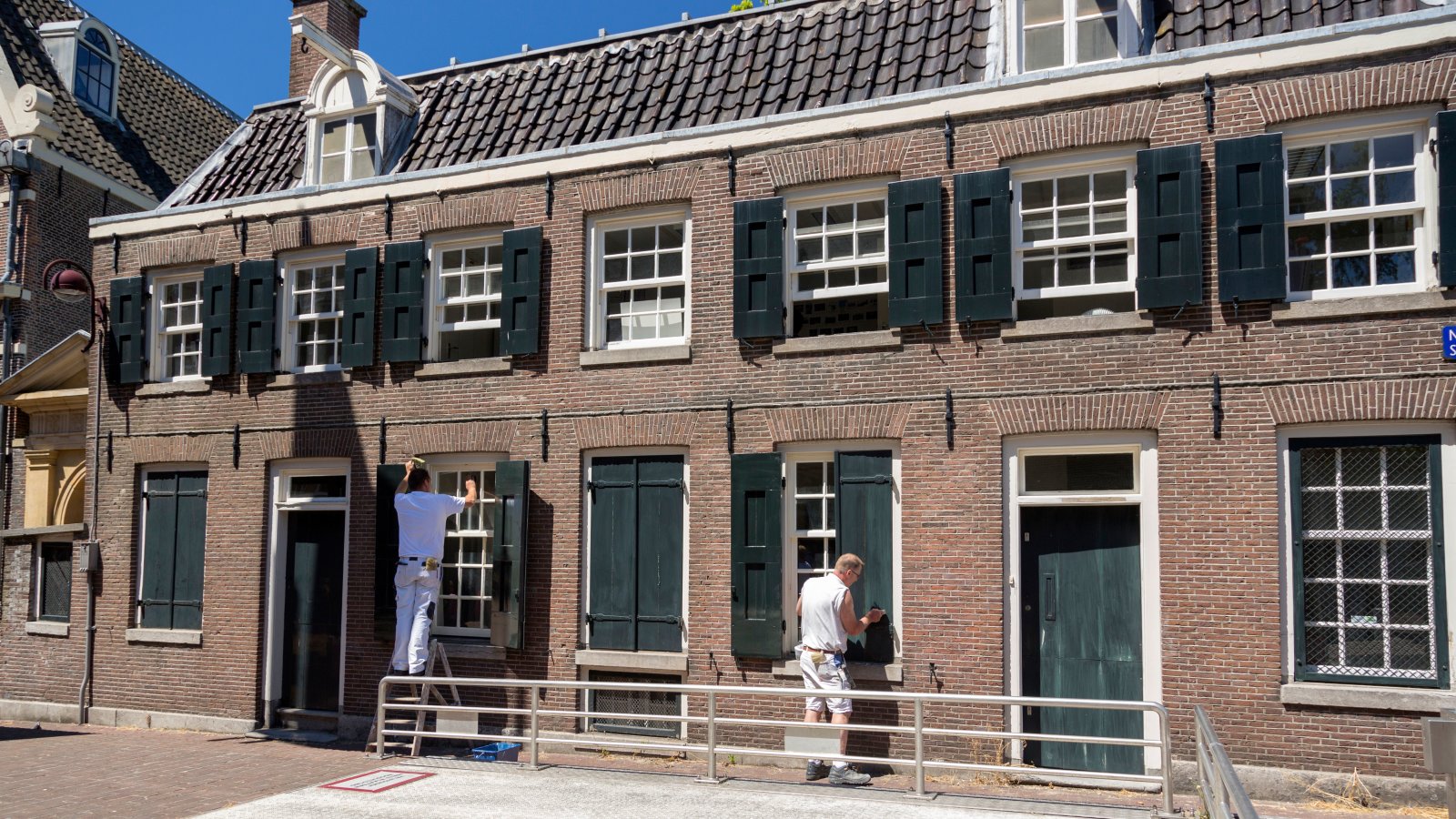
What’s In This Guide
Painting exterior brick can change a home’s appearance dramatically, but brick is not simply another siding material. It is porous masonry, and its condition, moisture exposure, mortar joints, and previous treatments all affect whether a coating will perform well.
Homeowners searching for exterior brick painters near me should look for professionals who evaluate these critical conditions before any work begins.
For Fairfield, CT, homeowners, the first question should not be “Which color?” It should be “Is this brick ready to be painted?”
Quick Facts
- Brick should be structurally sound, clean, and free of unresolved moisture problems before painting.
- Efflorescence, spalling, cracks, failing mortar, and persistent dampness can signal conditions that need attention first.
- Preparation should remove contaminants and loose material without damaging the brick face or mortar.
- A coating must be compatible with the masonry and the wall’s moisture behavior.
- Older painted homes may require lead-safe practices before scraping, sanding, or other surface preparation.
What a Brick Painting Company Should Check First
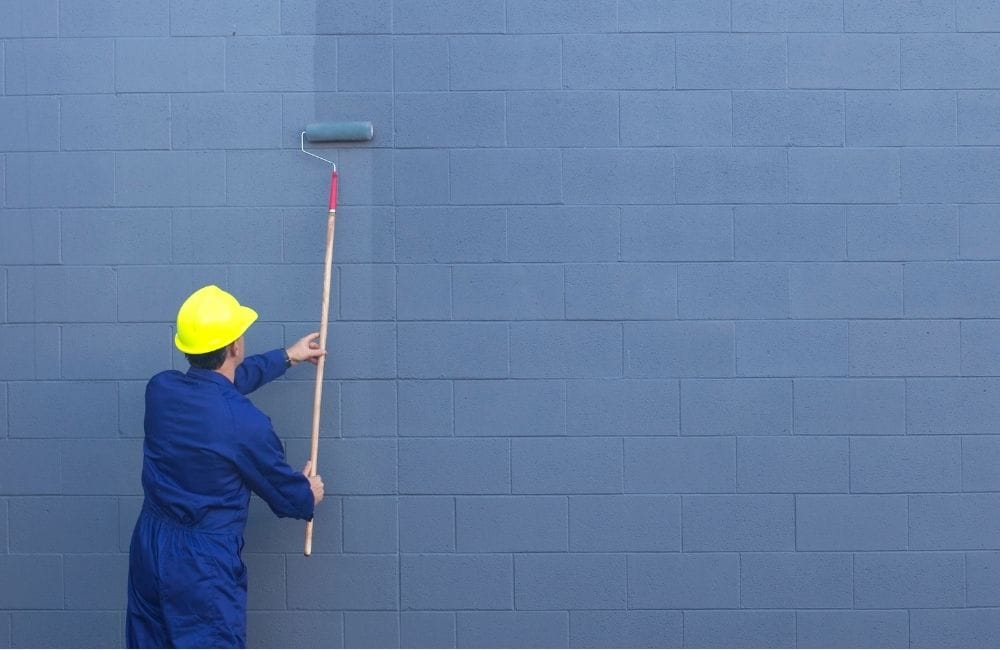
A professional evaluation begins with the wall itself. Even dry-looking brick can hold moisture from mortar defects, roofing issues, or damp soil. Much like what commercial painters check before repainting, inspecting the substrate, moisture levels, and existing coatings ensures problems are fixed before applying a new finish.
The National Park Service notes that moisture problems in historic masonry often result from poor or deferred maintenance, including leaking roofs, clogged or deteriorated gutters and downspouts, missing mortar, and cracks or open joints around doors and windows. It also warns that non-permeable coatings can trap moisture and accelerate deterioration in historic brick masonry.
Before painting, inspect for:
- Cracked, loose, or spalling brick
- Crumbling or missing mortar
- White, powdery efflorescence
- Mildew, algae, dirt, or other contamination
- Peeling or chalking existing coatings
- Persistent damp areas or signs of water entry
Painting over these symptoms can hide a problem without correcting its cause.
When Should Exterior Brick Not Be Painted?
Delay painting when the masonry has active moisture intrusion, significant deterioration, unstable mortar, or a failing existing coating that has not been properly addressed. Historic or unusually soft brick may also need a more cautious assessment because an incompatible coating or aggressive preparation can cause damage.
Sound bare brick does not automatically require paint. Painting is mainly an aesthetic choice unless an evaluation reveals a specific need. Homeowners considering broader updates, such as siding painting in Fairfield, CT, should assess each material separately because brick, wood, and other sidings have distinct requirements. Painting brick commits it to ongoing maintenance.
How to Prepare Brick for Painting
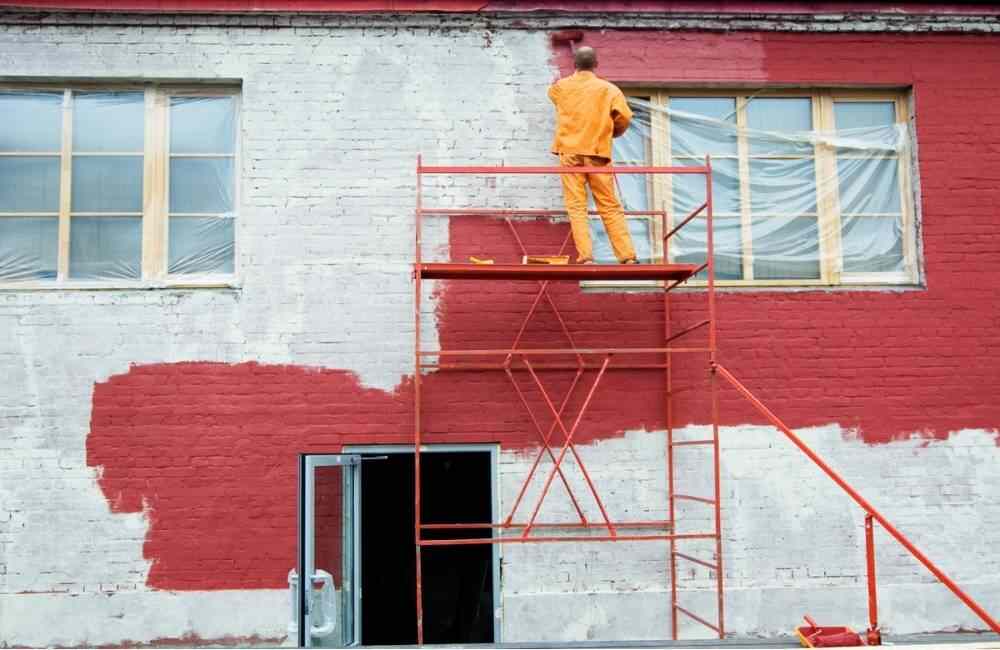
If you are researching how to prepare brick for painting, use a condition-first process rather than jumping directly to primer.
- Identify moisture sources. Check gutters, downspouts, flashing, joints, openings, and areas near grade. Correct active water problems before coating.
- Evaluate brick and mortar. Repair deteriorated masonry with materials appropriate for the existing wall.
- Check previous coatings. Failing finishes require specialized preparation. Understanding how to fix peeling paint helps clarify why adhesion issues must be resolved first. Avoid aggressive methods that damage brick.
- Clean the surface carefully. Remove dirt, biological growth, salts, and loose debris using a method suited to the brick’s age and condition.
- Allow proper drying. Do not trap moisture beneath a new coating. Drying time varies with weather, wall exposure, masonry condition, and cleaning method.
- Select a masonry-compatible system. Follow the coating manufacturer’s requirements for substrate condition, primer, application, temperature, and curing.
Moisture and Breathability Matter
Brick walls absorb and release moisture. That does not mean every brick wall needs the same “breathable” product, but vapor movement should be considered when choosing a coating system.
The National Park Service explains that water-repellent coatings for historic masonry are formulated to be water-vapor permeable and cautions against applying them to damp masonry. Product selection should therefore follow an inspection of the specific wall rather than a one-size-fits-all rule.
What About Previously Painted Brick?
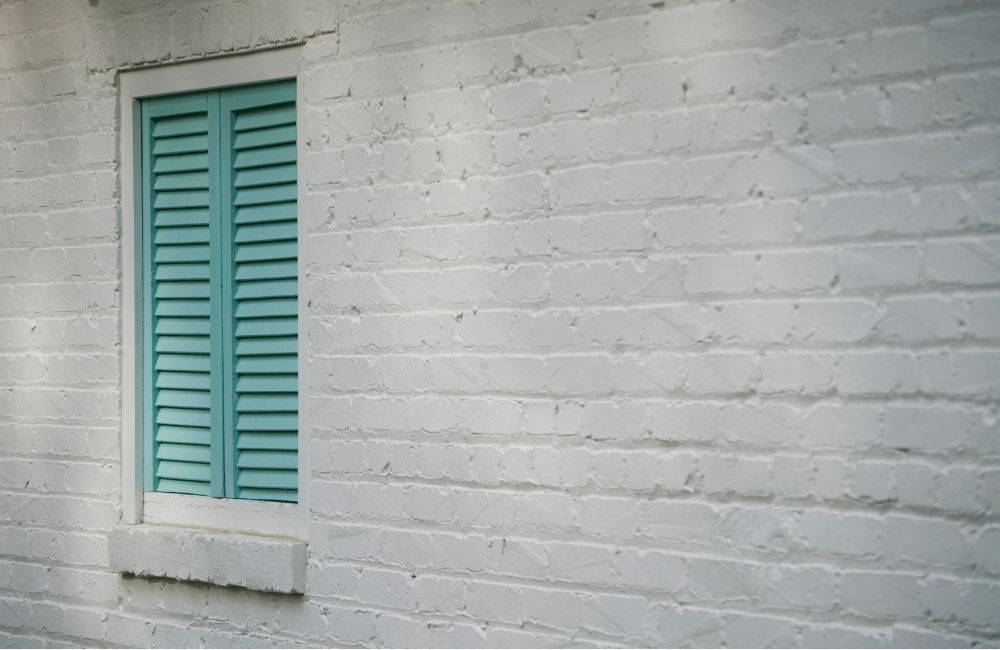
Previously painted brick requires a unique evaluation. A brick painting company must determine if the finish is well-bonded, peeling, chalking, blistering, or hiding moisture damage. Similar to removing peel-and-stick wallpaper before interior painting, the surface must be assessed and prepped first, using techniques tailored for masonry to protect the brick and mortar.
If preparation will disturb paint on a home built before 1978, lead safety also matters. The U.S. Environmental Protection Agency states that contractors paid to perform work that disturbs paint in pre-1978 housing generally must comply with its Lead Renovation, Repair and Painting requirements.
Frequently Asked Questions
Can painted brick be returned to its original unpainted appearance?
Sometimes, but complete paint removal can be difficult and may damage the brick or mortar if aggressive methods are used. Older or softer masonry should be evaluated carefully before attempting removal.
How long should brick dry after cleaning before painting?
There is no universal drying period. Drying time depends on weather, wall exposure, masonry porosity, cleaning method, and moisture conditions. The brick should meet the coating manufacturer’s moisture requirements before primer or paint is applied.
Can efflorescence be painted over?
Not without addressing the cause first. Efflorescence indicates soluble salts moving through the masonry with moisture. Remove the deposits appropriately and investigate the moisture source before coating the surface.
Does mortar need to cure before brick is painted?
Yes. Repaired mortar should be allowed to cure according to the repair material and coating manufacturer’s requirements before painting. Coating uncured or still-damp mortar can interfere with adhesion and moisture movement.
Can previously painted brick be repainted without removing all the old paint?
Sometimes. If the existing coating is well bonded and compatible with the new system, full removal may not be necessary. Peeling, blistering, chalking, or otherwise failing areas should be prepared appropriately before repainting.
Get a Brick Painting Assessment in Fairfield, CT
Exterior brick painting works best when the surface is evaluated before the first coat goes on. Whether you’re refreshing exterior masonry or exploring other home improvements, such as nursery paint color ideas, choosing suitable products and preparing surfaces properly are essential to achieving the desired finish. Professional brick painters near you at Fairfield Painting Contractors can assess your exterior masonry, discuss preparation needs, and recommend a painting approach based on your property’s condition.
Get a free estimate to discuss your exterior brick painting project in Fairfield, CT.