
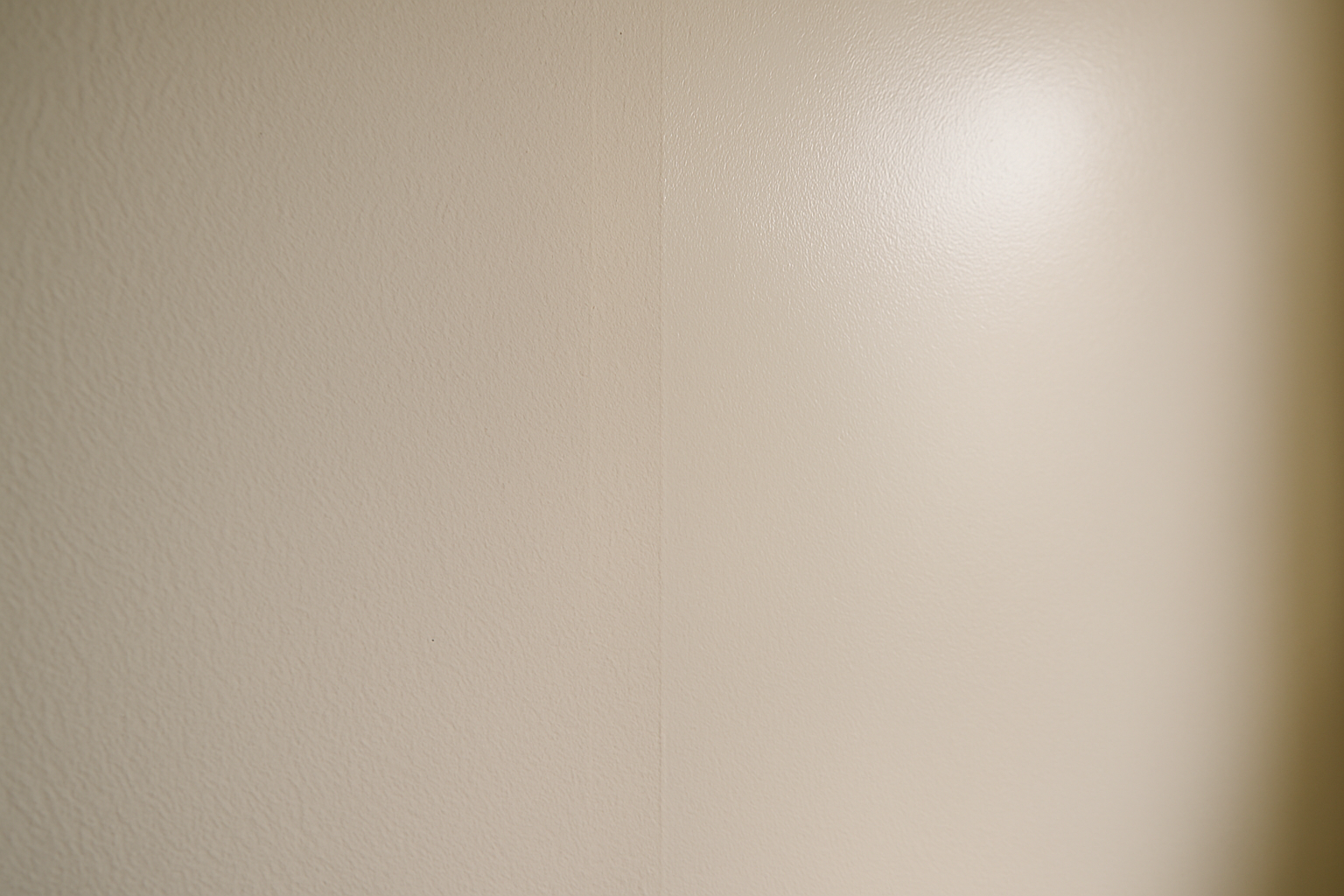
When choosing a paint finish, understanding the difference between matte vs satin paint finish is essential for long-term satisfaction. Matte paint absorbs light for a smooth, flat look. Satin paint reflects a soft glow that adds durability and easy cleanability. Knowing which finish suits each room in your home can save you from repainting sooner than you planned.
Table of Contents
- What the Sheen Numbers Actually Mean
- Where Matte Paint Finish Works Best
- Where Satin Paint Finish Has the Edge
- Durability and Maintenance Compared
- Cost and Coverage Differences
- Things to Know
- Let Fairfield Painting Contractors Choose the Right Finish for You
What the Sheen Numbers Actually Mean
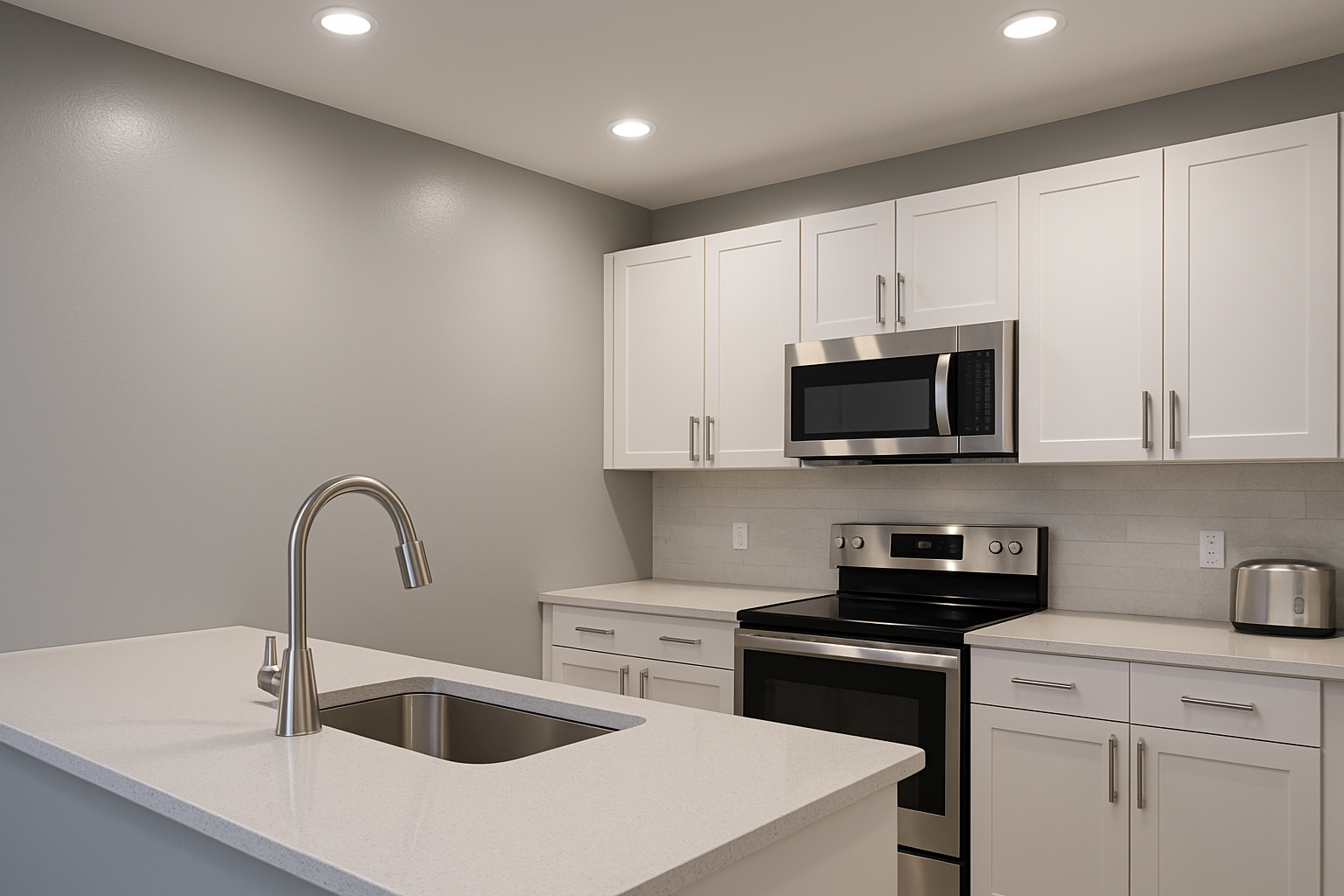
Paint sheen is measured by light reflectance value (LRV) and gloss units. Matte finishes typically fall below 10 gloss units. They scatter light rather than bounce it back. Additionally, satin finishes generally land between 26 and 40 gloss units, giving walls a subtle pearl-like glow without crossing into semi-gloss territory.
This difference is not just cosmetic. The binders and additives in each formula behave differently on drywall. Moreover, the choice affects how paint adheres, how it hides imperfections, and how well it holds up to daily contact. According to Data Insights Market (2025), the matte paint market is estimated at $5 billion. The market projects a CAGR of approximately 6% through 2033, which reflects how seriously homeowners and contractors take this decision. Meanwhile, satin finish holds approximately 32.6% of global interior paint market revenues in 2025, according to Data Intelo (2026).
Where Matte Paint Finish Works Best
Matte paint is a strong choice for low-traffic areas where you want color depth and a refined, gallery-quality look. Bedrooms, formal dining rooms, and ceilings all benefit from its light-absorbing properties.
One of matte’s biggest advantages is its ability to hide surface flaws. Older homes with textured or imperfect drywall will look smoother under a flat or matte finish. The lack of sheen prevents light from highlighting bumps, seams, or nail pops. Furthermore, if you are exploring best white paint colors for walls for a bedroom refresh, matte whites tend to feel warmer and softer than their satin counterparts.
Matte also pairs well with statement design choices. In addition, homeowners who lean into peel and stick wallpaper ideas for accent walls often use matte paint on adjacent surfaces to keep the visual contrast clean and grounded.
According to the American Coatings Association, matte and eggshell finishes accounted for nearly 48% of interior paint sales in the U.S. in 2023 (Persistence Market Research, 2025). This represents a meaningful share of the market. It reflects how popular low-sheen finishes remain for residential interiors.
Where Satin Paint Finish Has the Edge
Satin is the workhorse finish for high-traffic and high-moisture areas. Kitchens, bathrooms, hallways, kids’ rooms, and entryways all benefit from its combination of subtle sheen and scrub-friendly surface. When a crayon mark or grease splatter hits a satin wall, you can wipe it clean without damaging the paint film. In contrast, the same cleaning attempt on matte paint often leaves a shiny, rubbed-out patch that is hard to touch up invisibly.
Satin also performs better in rooms where you want light to work for you. A narrow hallway or a north-facing room with limited natural light will feel slightly brighter with a satin finish. The low-level reflectance contributes to this brightening effect. For example, when planning accent wall colors living room choices, satin finishes on the feature wall can add dimension and vibrancy that matte tones down.
For homeowners in Fairfield, CT, where coastal humidity is a real factor, satin’s moisture resistance makes it a smarter long-term choice. This applies especially to bathrooms and any room near exterior walls.
Durability and Maintenance Compared
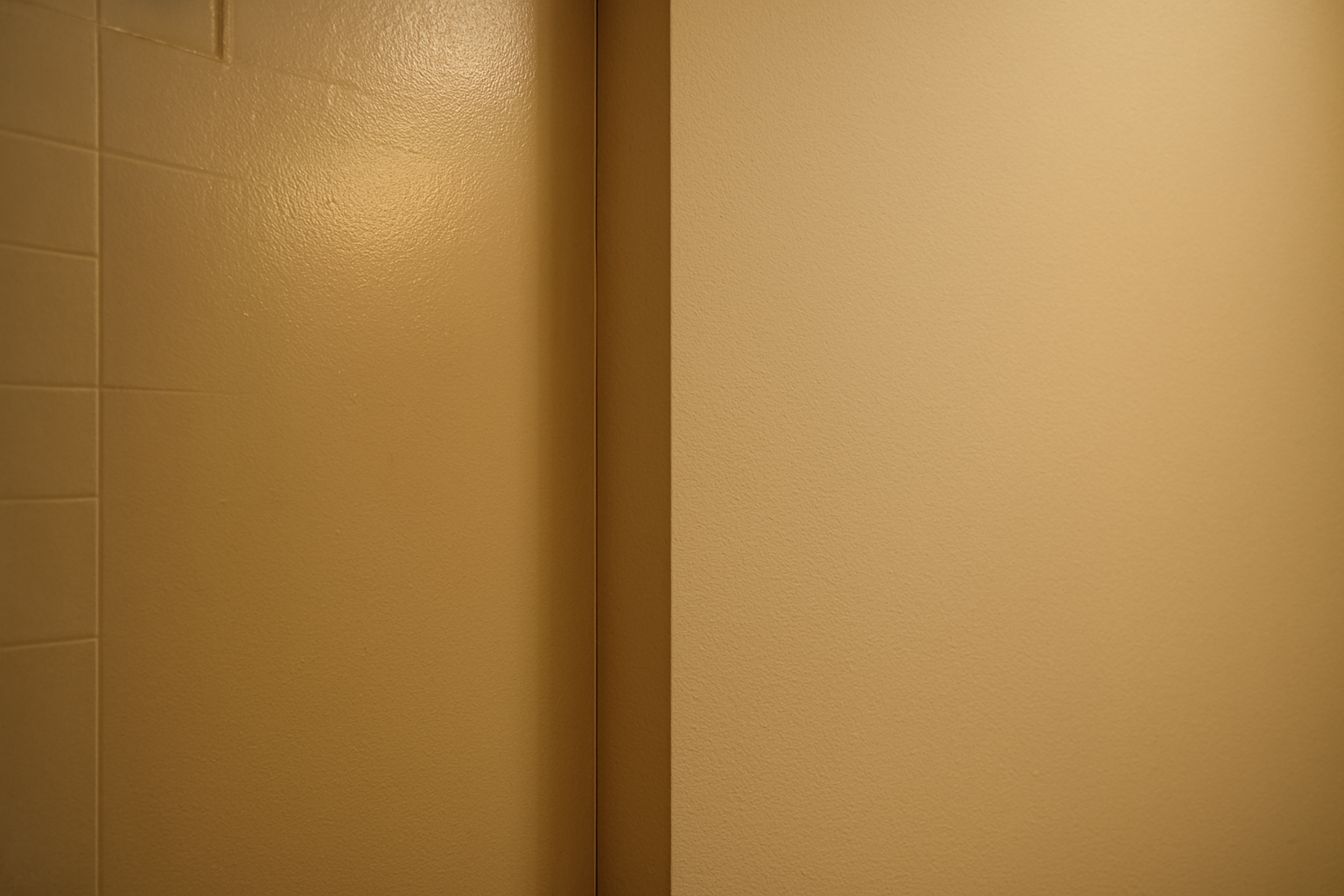
This is where the matte vs satin paint finish decision gets practical. Matte paint is more porous. Therefore, it absorbs stains rather than resisting them. You can touch up matte walls relatively easily because new paint blends into the surface without a sheen mismatch. However, scrubbing matte walls repeatedly will burnish them. This creates dull spots with an unintended sheen.
Satin paint creates a harder film as it cures. It resists moisture, mild cleaning agents, and repeated wiping without losing its appearance. The trade-off is that touch-ups on satin walls are more visible. The sheen level needs to match precisely. A small dab of fresh paint on an older satin wall will often stand out. Repainting the entire section is usually necessary for invisibility.
For major surface prep work before painting, projects like how to remove popcorn ceiling often reveal bare drywall underneath. This drywall needs priming and careful finish selection. In those cases, matte or eggshell is usually recommended for ceilings. They see little direct contact and benefit from hiding surface irregularities.
Cost and Coverage Differences
Premium matte and satin paints from major brands typically fall in the $40 to $80 per gallon range at retail. High-hide matte formulas often require fewer coats over dark colors. Their flat pigment suspension scatters light effectively. Additionally, satin paints, especially those engineered for kitchens and baths, sometimes carry a small premium for added durability additives.
Coverage per gallon is roughly similar for both finishes. It averages around 350 to 400 square feet per coat depending on the brand and substrate. Where the cost difference shows up is in long-term maintenance. Satin walls in busy areas may last several years longer before needing a repaint. This offsets any upfront price difference.
| Feature | Matte Finish | Satin Finish |
|---|---|---|
| Sheen Level | Below 10 gloss units | 26-40 gloss units |
| Best Rooms | Bedrooms, ceilings, dining | Kitchens, baths, hallways |
| Hides Imperfections | Excellent | Moderate |
| Scrub Resistance | Low | High |
| Touch-Up Ease | Easy | Moderate to difficult |
| Moisture Resistance | Low | Good |
| Typical Cost/Gallon | $40-$80 | $45-$80 |
Things to Know
- Eggshell finish sits between matte and satin at roughly 10 to 25 gloss units. It is a useful middle ground for living rooms where you want a little durability without the brightness of satin.
- Humidity accelerates paint degradation. In coastal Connecticut, choosing a satin or semi-gloss finish for bathrooms and kitchens is not just aesthetic preference. It is a practical moisture defense.
- Not all paint lines use the same sheen definitions. One brand’s “satin” may be closer to another’s “eggshell.” Always check the gloss unit range on the label before committing to a large purchase.
- Matte finishes are generally not recommended for trim, baseboards, or doors. These surfaces take direct contact and need a harder finish to hold up.
- Primer sheen matters too. Using a flat primer under a satin topcoat can reduce adhesion and affect the final appearance. Match the primer sheen or use a universal primer designed for both.
Let Fairfield Painting Contractors Choose the Right Finish for You
Picking the wrong finish for a high-traffic room means peeling, scrubbing damage, or a repainting bill years before you expected one. Our team at Fairfield Painting Contractors serves Fairfield, CT and the surrounding coastline with a full-time, licensed, and insured crew. We handle interior painting from prep to final coat. We factor in your home’s specific conditions. Our consideration includes humidity levels and traffic patterns before recommending any finish.
Request your free estimate today and let us walk through the right finish for every room in your home.
Frequently Asked Questions
Q: Can I use matte paint in a kitchen?
Matte paint is generally not recommended for kitchens because it is difficult to clean and absorbs grease and moisture.
Kitchens generate steam, splatter, and frequent wall contact. A satin or semi-gloss finish will hold up far better and stay cleanable for years without needing a repaint.
Q: Is satin paint more expensive than matte?
Satin and matte paints are similarly priced per gallon, typically ranging from $40 to $80 depending on the brand and formula.
The real cost difference shows up over time. Satin finishes in high-traffic areas tend to last longer between repaints, which can make them the more economical choice long term.
Q: Does matte paint hide wall imperfections better than satin?
Yes, matte finish hides surface flaws more effectively because it scatters light rather than reflecting it back toward the viewer.
Older walls with texture variations, slight waves, or patched areas will look smoother under matte paint. Satin can highlight these same irregularities under direct or angled lighting.
Q: How do I touch up satin paint without it looking obvious?
Use the exact same paint batch, apply it with the same tool as the original coat, and feather the edges into the surrounding area.
Even then, a visible difference may remain because satin sheen is directional. If the touch-up area is large, repainting the entire wall section from corner to corner gives the cleanest result.
Q: Which finish should I use for a child’s bedroom?
Satin is usually the better choice for a child’s bedroom because it handles scuffs, crayon marks, and handprints far better than matte.
Many paint brands now offer washable satin formulas specifically designed for kids’ rooms. These provide matte-adjacent warmth in color while delivering the scrub resistance that active spaces demand.