
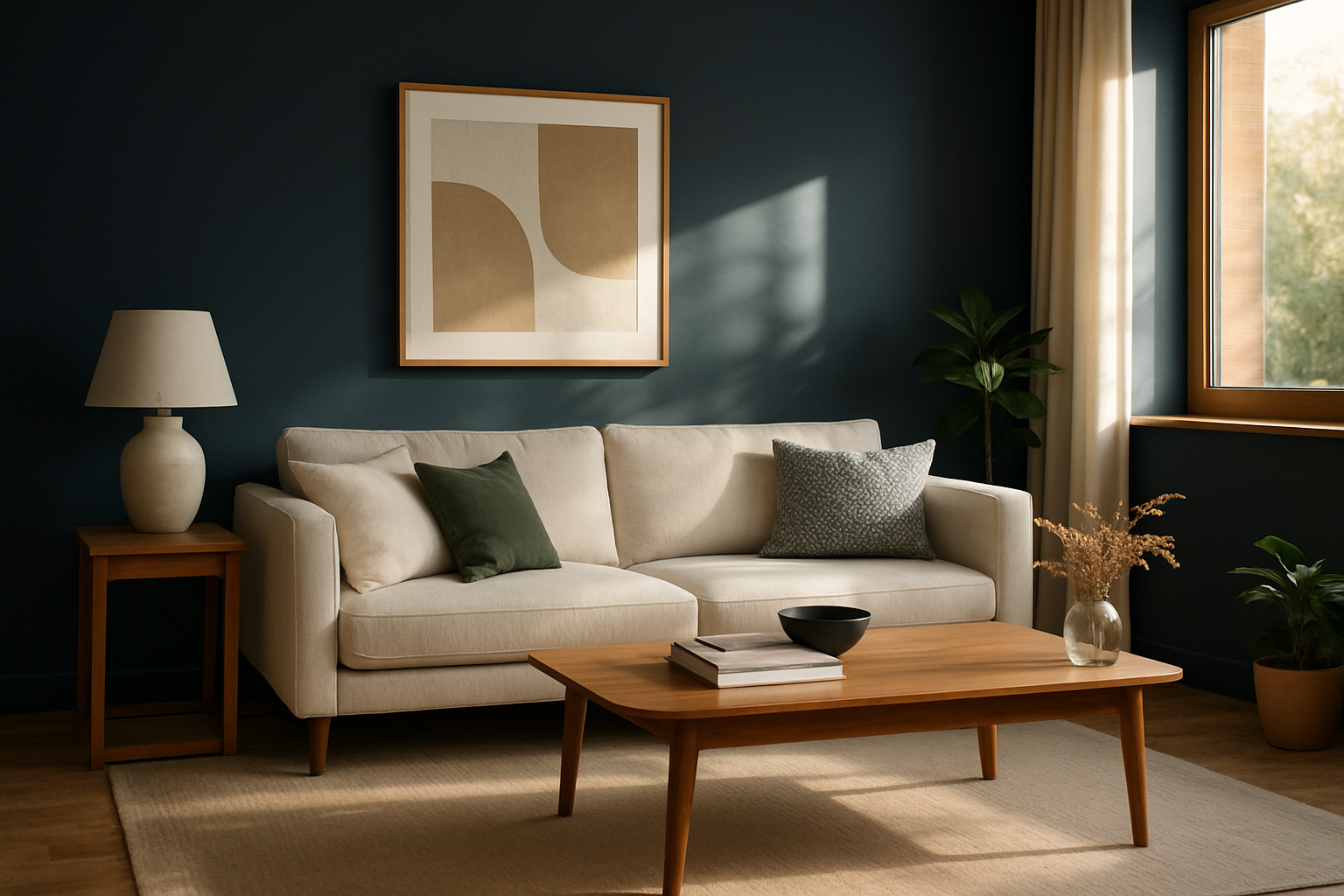
Choosing the right accent wall colors for your living room comes down to two essential factors: your existing palette and the mood you want to create. Therefore, get those two elements right, and one boldly painted wall can completely reshape how your entire space feels.
Key Takeaways
- An accent wall works best on the wall your eyes naturally land on first when entering the room.
- Deep, saturated colors add drama; soft, muted tones create calm without feeling flat.
- Undertones in your furniture and flooring should guide your color choice more than trends.
- Natural and artificial lighting both change how a paint color reads on the wall, so always test samples first.
- A professional painter ensures clean lines, proper prep, and a finish that holds up over time.
Table of Contents
- Why an Accent Wall Changes the Whole Room
- How to Choose the Right Accent Wall
- Top Accent Wall Color Choices and What They Do
- How Lighting Affects Your Accent Wall Color Choice
- Things to Know
- DIY vs. Hiring a Pro for Your Accent Wall
Why an Accent Wall Changes the Whole Room
A single painted wall does more visual work than most homeowners expect. It creates depth, draws the eye to a focal point, and gives a room a sense of intentional design without a full renovation.
In the living room specifically, the impact is significant. This is one of the most-used, most-seen spaces in your home. Additionally, a well-chosen accent color can make a small room feel more defined. It can make a large room feel cozier. It can make a plain room feel finished.
Moreover, when you work with a professional, you understand the standards that matter. Understanding what fairfield homeowners should expect from an exterior painting contractor shows that interior standards are equally important. An accent wall is also one of the more cost-effective updates available. It requires far less paint and labor than painting four walls.
How to Choose the Right Accent Wall
Before you pick a color, identify which wall to paint. The general rule is to choose the wall your eyes land on first when you walk into the room. In most living rooms, that is the wall directly opposite the entryway or the wall behind the main sofa. Moreover, what to ask a painter in fairfield ct will help you select a professional who understands this principle.
A few things help identify the best candidate:
- Architectural features: Walls with a fireplace, built-in shelving, or a large window are natural focal points.
- Symmetry: A wall that is centered and unbroken by doors or outlets reads more cleanly as an accent.
- Proportion: In a narrow room, painting the short end wall creates an illusion of width.
Avoid walls with too many interruptions. Multiple doors, switches, or outlets clustered together break up the painted surface. This reduces the visual impact of your accent wall colors for living room spaces.
Top Accent Wall Color Choices and What They Do
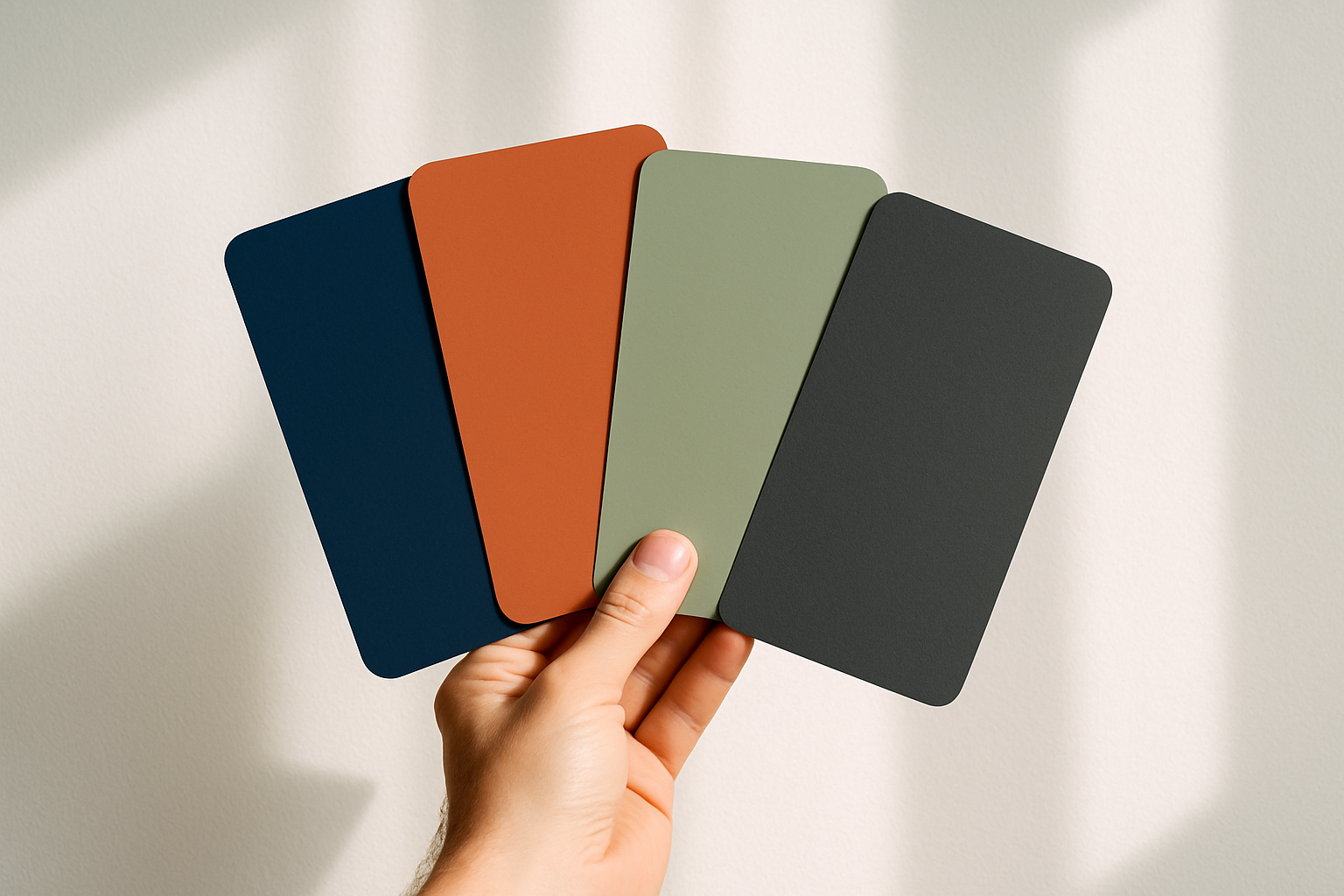
Not every bold color works in every living room. Here is a practical breakdown of the most popular accent wall colors for living rooms and the effect each one creates.
| Color Family | Best For | Mood It Creates |
|---|---|---|
| Deep Navy or Slate Blue | Rooms with warm wood tones | Sophisticated, calm |
| Forest or Sage Green | Rooms with natural materials | Grounded, organic |
| Warm Terracotta or Clay | Rooms with neutral or white base | Earthy, welcoming |
| Charcoal or Soft Black | Modern or minimalist rooms | Dramatic, anchored |
| Dusty Rose or Blush | Rooms with lighter palettes | Soft, refined |
| Warm Mustard or Ochre | Rooms with mid-century furniture | Energetic, vintage |
Deep, saturated colors like navy, forest green, or charcoal are reliable accent wall choices. They contrast strongly against neutral walls without clashing. Additionally, they tend to look intentional rather than accidental.
Warm earth tones like terracotta and ochre are having a sustained moment in American interior design. These shades work especially well in living rooms that get afternoon light. This amplifies the warmth in the pigment.
Muted mid-tones like sage green and dusty rose are popular in smaller living rooms. A deeply saturated color might feel overwhelming in tight spaces. They add color and interest without competing with everything else in the room.
Whatever color family you lean toward, always check the undertones. A “gray” with purple undertones reads very differently next to warm beige furniture. It differs from a “gray” with blue undertones. Pull a sample chip against your existing furniture, rug, and flooring before committing.
How Lighting Affects Your Accent Wall Color Choice
Lighting is one of the most underestimated factors in choosing accent wall colors for your living room. The same paint looks completely different depending on the time of day and light type.
- North-facing rooms receive indirect, cooler light. Warm colors like terracotta and mustard help offset this. However, cooler colors like navy can feel slightly dark.
- South-facing rooms get strong, consistent light that flatters almost any color.
- East-facing rooms have warm morning light and cooler afternoons. Test samples at both times.
- West-facing rooms get dramatic late-afternoon warmth. Deep tones look especially rich in this light.
Beyond natural light, consider your artificial lighting carefully. Knowing cost to paint the exterior of a house in fairfield ct helps you budget for both interior and exterior projects. Additionally, incandescent and warm LED bulbs push colors toward yellow. Cooler daylight LEDs show colors more accurately. Test your paint sample under both before making a final call.
Things to Know
- Paint finish matters on an accent wall. Eggshell and satin are the most practical choices. They are easier to clean and add slight depth to the color.
- Accent walls do not always have to be paint. Furthermore, wallpaper, wood paneling, or textured finishes can work alongside or instead of paint.
- Deeper colors typically require more coats to achieve an even finish. Plan for at least two coats, sometimes three, especially over a white or light base.
- Color perception changes based on room size. A deep color that looks rich in a large showroom may feel heavy in a small living room. Always sample on the actual wall.
- If your living room has crown molding or wainscoting, factor those elements into your color decision. These elements frame the painted surface and affect the overall balance.
DIY vs. Hiring a Pro for Your Accent Wall
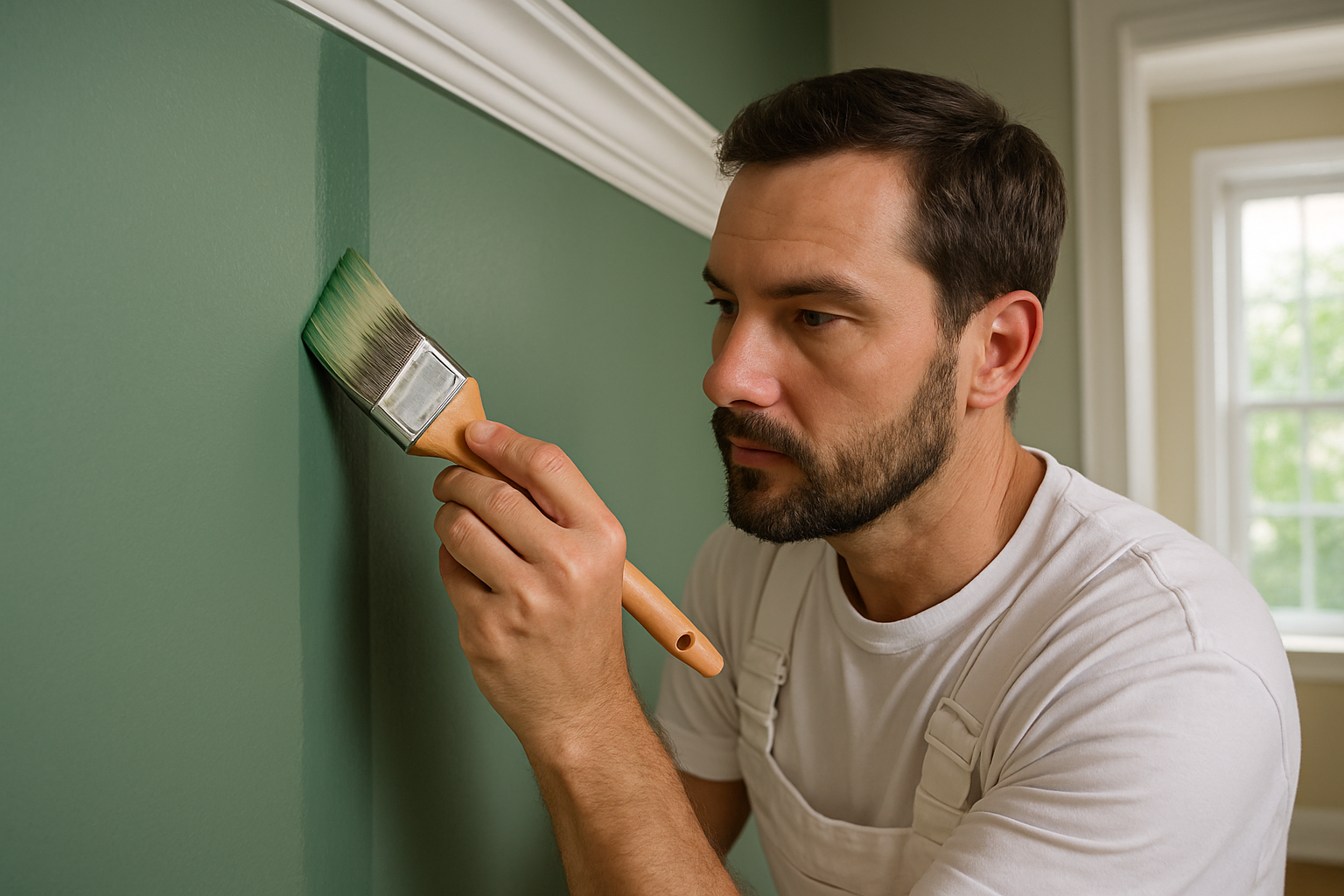
An accent wall sounds straightforward, but the prep work and execution matter more than most people expect. Cutting in cleanly along edges requires skill. Achieving even coverage on a deep color takes experience. Managing sheen consistency is another area where professional work shows.
If you are weighing the decision, it is worth reading diy vs professional painting what fairfield homeowners need to know before picking up a roller. The difference in outcome is often visible, especially on darker or more saturated accent colors.
Before hiring, understand what to ask a painter in fairfield ct so you know the right questions to vet for quality and credentials. For homeowners thinking about exterior work alongside interior updates, understanding the cost to paint the exterior of a house in fairfield ct helps with realistic budget planning.
If you are hiring locally in Fairfield, CT, it is smart to understand what fairfield homeowners should expect from an exterior painting contractor. The standards for preparation, product quality, and crew professionalism apply equally indoors.
Book Your Accent Wall Consultation with Fairfield Painting Contractors
Your living room deserves more than a rushed paint job or a color that fades in two seasons. Fairfield Painting Contractors is a licensed, insured, locally operated painting company serving Fairfield, CT and the surrounding coastline. We maintain a full-time year-round crew (not subcontracted seasonal labor) handling everything from interior accent walls to full exterior repaints. Request your estimate today and tell us what you have in mind. Fill out the contact form and a member of our team will follow up promptly with next steps.
Frequently Asked Questions
Q: What is the most popular accent wall color for living rooms right now?
A: Deep navy, forest green, and warm terracotta are currently among the most chosen accent wall colors for living rooms in the United States. These shades balance well with neutral base palettes. Furthermore, they work across a wide range of furniture styles. Their staying power beyond trend cycles makes them a safer long-term investment than colors that peak quickly.
Q: Should an accent wall be darker or lighter than the other walls?
A: In most cases, an accent wall should be darker or more saturated than the surrounding walls to create visible contrast. A slightly lighter accent wall can work in very dark rooms, but the effect is more subtle. The goal is enough contrast that the wall reads as intentional and distinct.
Q: How many coats of paint does a dark accent wall need?
A: Most deep or saturated colors require two to three coats for full, even coverage. Applying too few coats often results in uneven patches or the base color bleeding through. This is especially visible in raking light. Proper priming before applying a deep color can reduce the total coats needed.
Q: Can I do an accent wall in a small living room?
A: Yes, a well-chosen accent wall can actually make a small living room feel more intentional and better defined. Stick to muted or mid-toned shades rather than very dark colors in tight spaces. Painting the short end wall rather than the long wall can also create a visual sense of added depth.
Q: Does accent wall paint need to be a different finish than the rest of the room?
A: It does not have to be, but using a slightly higher sheen on the accent wall can add visual separation. This makes the color appear richer. Eggshell or satin are both practical choices. They are durable, easy to clean, and add just enough sheen to differentiate the wall without looking glossy.