
What’s In This Guide
- What Should An Exterior Painting Contractor Include?
- Why Does Prep Matter More Than The Paint Color?
- How Can You Review A Painting Estimate Before Booking?
- What Red Flags Should Homeowners Watch For?
- What Local Details Can Change The Painting Plan?
- How Can You Turn The Estimate Into A Clear Project Plan?
- Frequently Asked Questions (FAQs)
- Start Your Painting Project with a Clear Plan
A quality exterior paint job begins long before the first coat is applied. The right contractor will evaluate your home’s condition, identify any repairs or moisture issues, explain the preparation process, and provide a detailed plan for protecting your property throughout the project. Without that level of planning, even premium paint products may not deliver the durability homeowners expect.
If you’re hiring exterior painting contractors in Fairfield, CT, knowing what should be included in the estimate can help you compare proposals with confidence.
Quick Facts
- In Fairfield, CT, an exterior painting contractor should include surface prep, weather planning, primer decisions, trim protection, and clear cleanup expectations.
- A written scope should separate washing, scraping, sanding, repairs, priming, finish coats, and cleanup.
- EPA lead-safe renovation guidance is important when older painted surfaces may require lead-safe work practices.
- A stronger estimate explains what is included, what can change the price, and how weather or access affects timing.
- The best contractor fit is the one whose prep plan matches the condition of the home, not just the color change.
What Should An Exterior Painting Contractor Include?

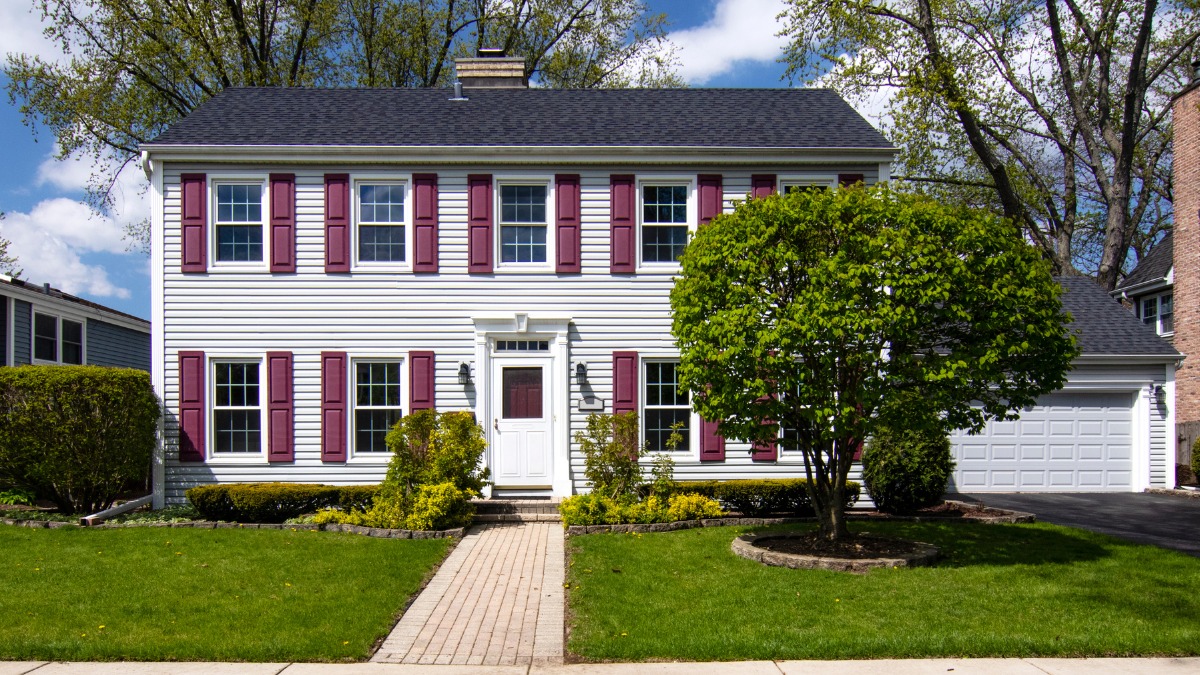
Fairfield homes often have siding, trim, shutters, doors, and porch details that need different prep decisions. Homeowners should expect a clear scope, not a vague promise to paint the house.
A useful painting proposal explains the surfaces included, the level of prep, the product type, and the expected schedule. That detail helps homeowners compare bids fairly and avoid paying twice for missed prep.
- Surface washing or cleaning method
- Scraping, sanding, patching, and caulking standards
- Primer use on bare wood, stains, repairs, or high-wear areas
- Number of finish coats and finish type
- Protection for landscaping, floors, furniture, walkways, or fixtures
Why Does Prep Matter More Than The Paint Color?
Paint color changes the look of a home, but preparation controls how long the finish lasts. A rushed project can fail even when the color and product are right.
If the surface has moisture problems, those issues should be corrected before painting. Trapped moisture can shorten the life of the new coating and lead to premature paint failure.
Older painted surfaces need extra caution. Homes built before 1978 may require lead-safe practices before sanding or scraping, which makes contractor training and process especially important.
How Can You Review A Painting Estimate Before Booking?

A strong estimate should make the work easy to understand. The homeowner should be able to see what the crew will do, where work starts, and how the project wraps up.
- Match the estimate to the surfaces you want painted.
- Ask which prep steps are included and which repairs are extra.
- Confirm primer, finish coats, sheen, and product line.
- Discuss weather, drying time, pets, parking, and access.
- Request cleanup expectations and final walkthrough details.
MORE ON THIS TOPIC: What to Ask a Painter in Fairfield, CT, Before Starting a Home Painting Project
What Red Flags Should Homeowners Watch For?
Red flags from exterior house painters usually appear when the scope is vague. A low price can still become expensive if prep, repairs, or protection are missing.
- No discussion of surface condition
- No mention of washing, sanding, scraping, or primer
- One price for very different areas without a clear scope
- No plan for weather delays, drying time, or access
- No explanation of older coating risks or lead-safe practices
Exterior painting often involves working at height, where falls remain one of the most common causes of serious injuries. Proper access equipment and fall protection are essential for completing the job safely.
What Local Details Can Change The Painting Plan?
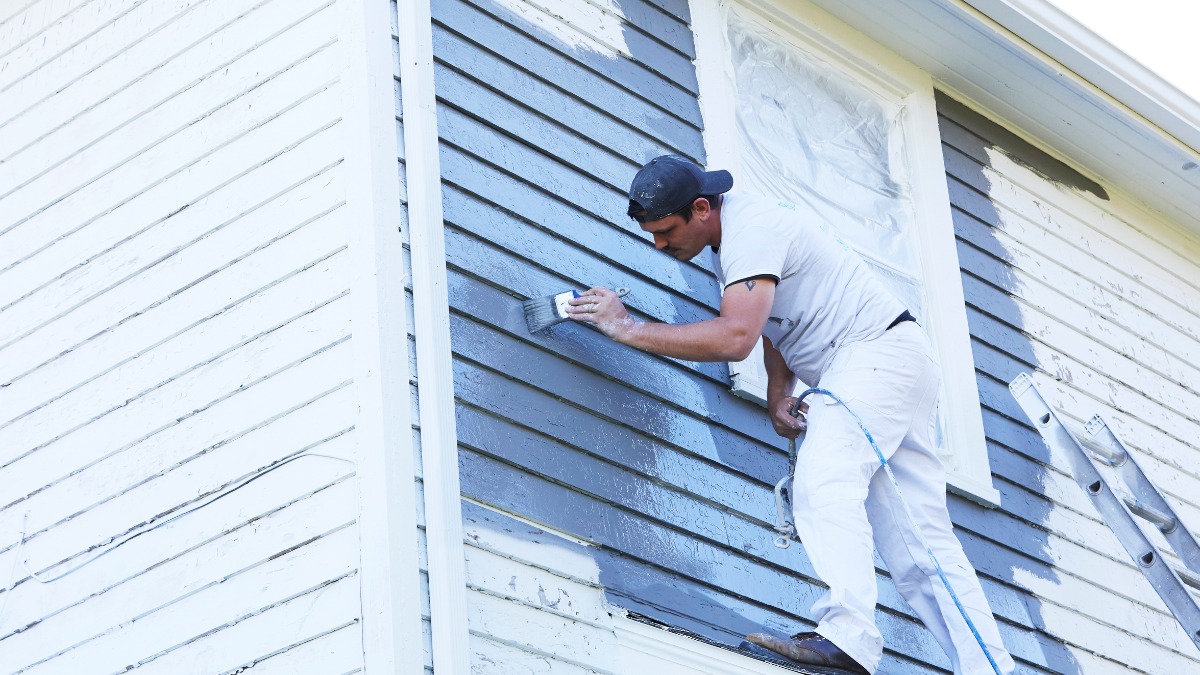
Local conditions can change the best painting plan even when two homes need the same basic service. Age, shade, moisture exposure, trim condition, ventilation, and daily use all affect prep and product decisions.
Homeowners should share details that may not be obvious during a quick conversation. Recent leaks, old repairs, peeling areas, previous coatings, pets, children, work-from-home schedules, and access limits can all affect the order of work.
- Note areas that peel, stain, or collect moisture first.
- Identify exterior walls or surfaces that are hardest to access.
- Ask how the painter will protect nearby surfaces before prep starts.
- Confirm whether repairs, primer, caulk, or specialty cleaning are included.
How Can You Turn The Estimate Into A Clear Project Plan?
The estimate should become a practical project plan before work begins. That plan should explain scope, schedule, products, surface preparation, protection, cleanup, and the final walkthrough.
A clear plan also helps prevent scope drift. When the homeowner and painter agree on which surfaces are included, which conditions require extra repair, and how weather or drying time will be handled, the project is easier to manage.
Before approving work, ask for the next step in plain language. The answer should make the timeline, access needs, and decision points easy to understand.
Frequently Asked Questions (FAQs)
Should the cheapest painting estimate win?
Not necessarily. A lower price may not include the same level of surface preparation, repairs, primer, or cleanup as other estimates. Compare the scope of work, products, timeline, and warranty so you understand exactly what is included before making a decision.
How many coats should a painting project include?
The number of coats depends on the surface condition, color change, and coating system being used. Many projects require primer on bare, stained, patched, or porous surfaces, followed by one or two finish coats to achieve consistent coverage and durability.
Can homeowners compare interior and exterior painters the same way?
The basic comparison is similar, but the project requirements are different. Interior painting places more emphasis on furniture protection, ventilation, cleanliness, and finish quality. Exterior painting requires additional planning for weather, surface preparation, access equipment, and moisture management.
How should homeowners prepare before a painting project starts?
Before work begins, move or protect personal belongings near the work area, provide clear access to the surfaces being painted, and discuss any concerns with your painter. For exterior projects, trimming landscaping and removing outdoor furniture can also help the project move more efficiently.
How often should a home’s exterior be repainted?
The repainting schedule varies depending on the siding material, paint quality, sun exposure, moisture, and local weather conditions. Many homes need repainting every 5 to 10 years, but surfaces exposed to intense sunlight or frequent moisture may require attention sooner.
Start Your Painting Project with a Clear Plan
Fairfield Painting Contractors helps homeowners move from research to well-defined exterior painting services with a clear scope of work, realistic timeline, and finish plan. Before work begins, the team evaluates your home’s surfaces, project goals, access requirements, and scheduling needs to recommend the right preparation, products, and application methods for long-lasting results.
Every recommendation is tailored to the specific exterior surfaces being painted, with attention to durability, safety, maintenance, and overall performance. With a clear estimate and project plan in place, you can move forward knowing what to expect from preparation through the final walkthrough.