
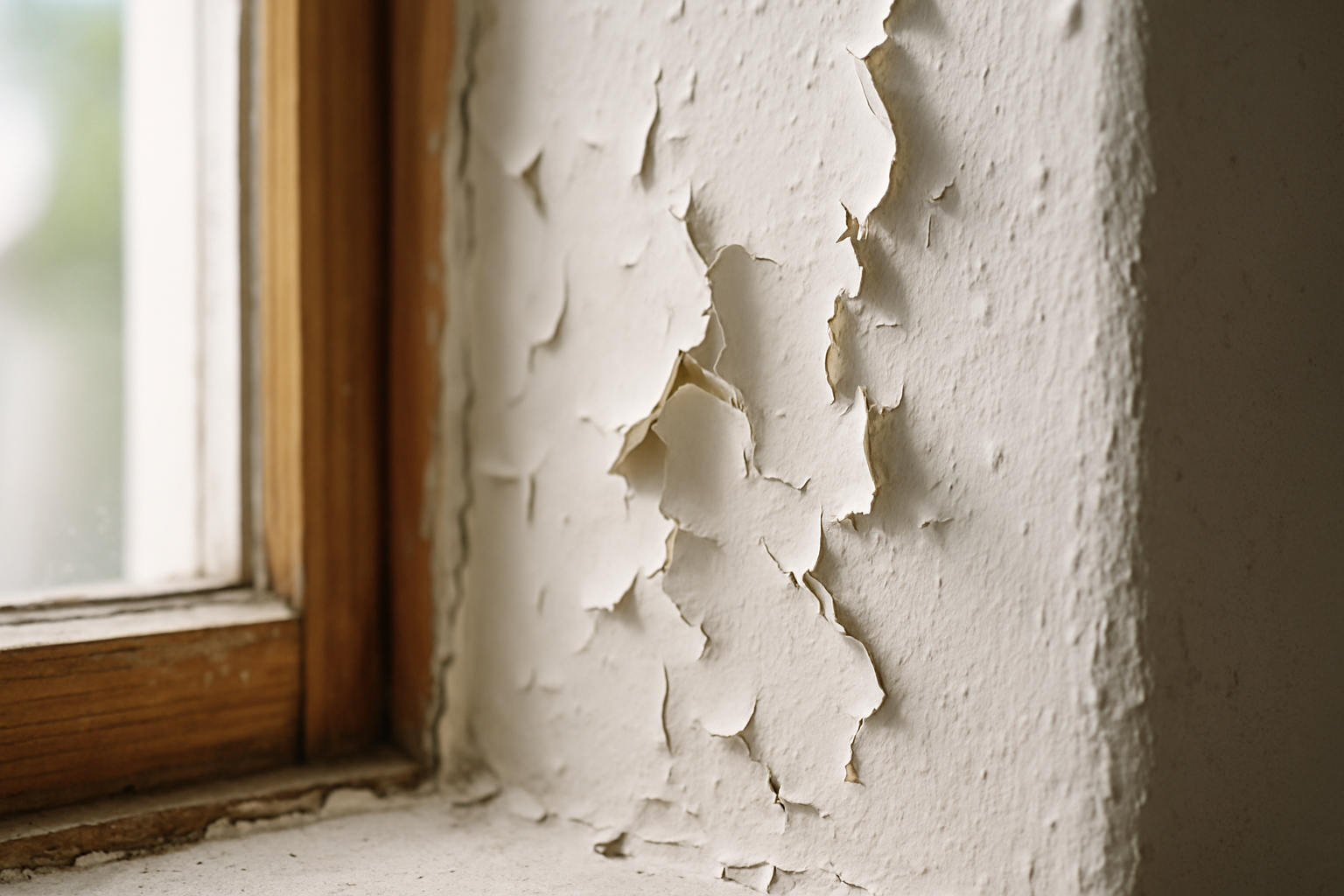
Paint peeling on walls is one of the most common cosmetic problems homeowners face. The good news is that most cases are repairable without a full repaint. Moreover, understanding what causes the peeling is the key to making a fix that actually lasts. In this guide, we’ll show you how to fix paint peeling on walls effectively.
Table of Contents
- What Causes Paint to Peel
- What You Need Before You Start
- Step-by-Step Repair Process
- Room-Specific Considerations
- Things to Know
- When to Call a Professional
Key Takeaways
- Moisture is the most common cause of peeling paint. Therefore, fixing the source is step one.
- According to the American Housing Survey (2023), roughly 2.9 million occupied U.S. homes have peeling paint issues.
- Skipping the sanding and priming steps is the fastest way to guarantee the peel comes back.
- Bathrooms, kitchens, and laundry rooms need moisture-resistant primers and paints specifically.
- If peeling is widespread or appears on older surfaces, professional assessment is worth considering before DIY repairs.
- Knowing the right finish for each room helps prevent future peeling.
What Causes Paint to Peel
Before you pick up a scraper, you need to know why the paint is failing. Additionally, applying fresh paint over an unresolved problem will only kick the issue a few months down the road.
The most frequent culprits include:
- Moisture infiltration: Leaks, condensation, or high humidity push water vapor through the wall surface. As a result, they break the bond between the paint film and the substrate.
- Poor surface preparation: Paint applied over dirty, dusty, or glossy walls will not adhere properly. Moreover, no product, no matter how good, can overcome this preparation failure.
- Incompatible paint layers: Applying latex paint directly over oil-based paint without priming correctly causes delamination over time.
- Age and UV exposure: Older paint films simply break down. Furthermore, this deterioration accelerates on south-facing walls or near windows.
- Inadequate primer: Skipping primer or using the wrong type for the substrate is one of the most preventable causes of peeling paint.
According to the American Housing Survey (2023), approximately 2.9 million occupied U.S. homes have peeling paint. This statistic tells us the problem is far from rare or unusual. Additionally, a 2025 home repair survey found that interior paint is the most commonly deferred repair at 34%, ahead of window repairs at 30% (Vanderkolk Painting, 2025). In contrast, waiting only lets moisture damage compound.
What You Need Before You Start
Gathering the right materials before you begin saves trips to the hardware store mid-project. Here is what a proper repair typically requires:
| Item | Purpose |
|---|---|
| Stiff-bristle scraper or putty knife | Remove loose and flaking paint |
| 80- and 120-grit sandpaper | Feather edges and smooth the repair area |
| Spackle or joint compound | Fill gouges and damaged drywall |
| Bonding primer | Seal the bare surface and improve adhesion |
| Quality latex or alkyd paint | Final coat matched to room conditions |
| Tack cloth | Remove dust before priming |
| Painter’s tape | Protect trim and adjacent surfaces |
Do not underestimate primer. A high-quality bonding primer is the single most important product in a peeling paint repair. Therefore, without it, the new paint film has nothing solid to grip.
Step-by-Step Repair Process for How to Fix Paint Peeling on Walls
Here is how to fix paint peeling on walls properly, from start to finish:
- Identify and resolve the moisture source. First, if a pipe leak, roof issue, or bathroom ventilation problem caused the peeling, fix it before touching the wall. Otherwise, you are painting over an active problem.
- Scrape away all loose paint. Use a stiff scraper or putty knife and work outward from the peeled area. Continue until you reach paint that is fully bonded. Do not leave any edges that can lift later.
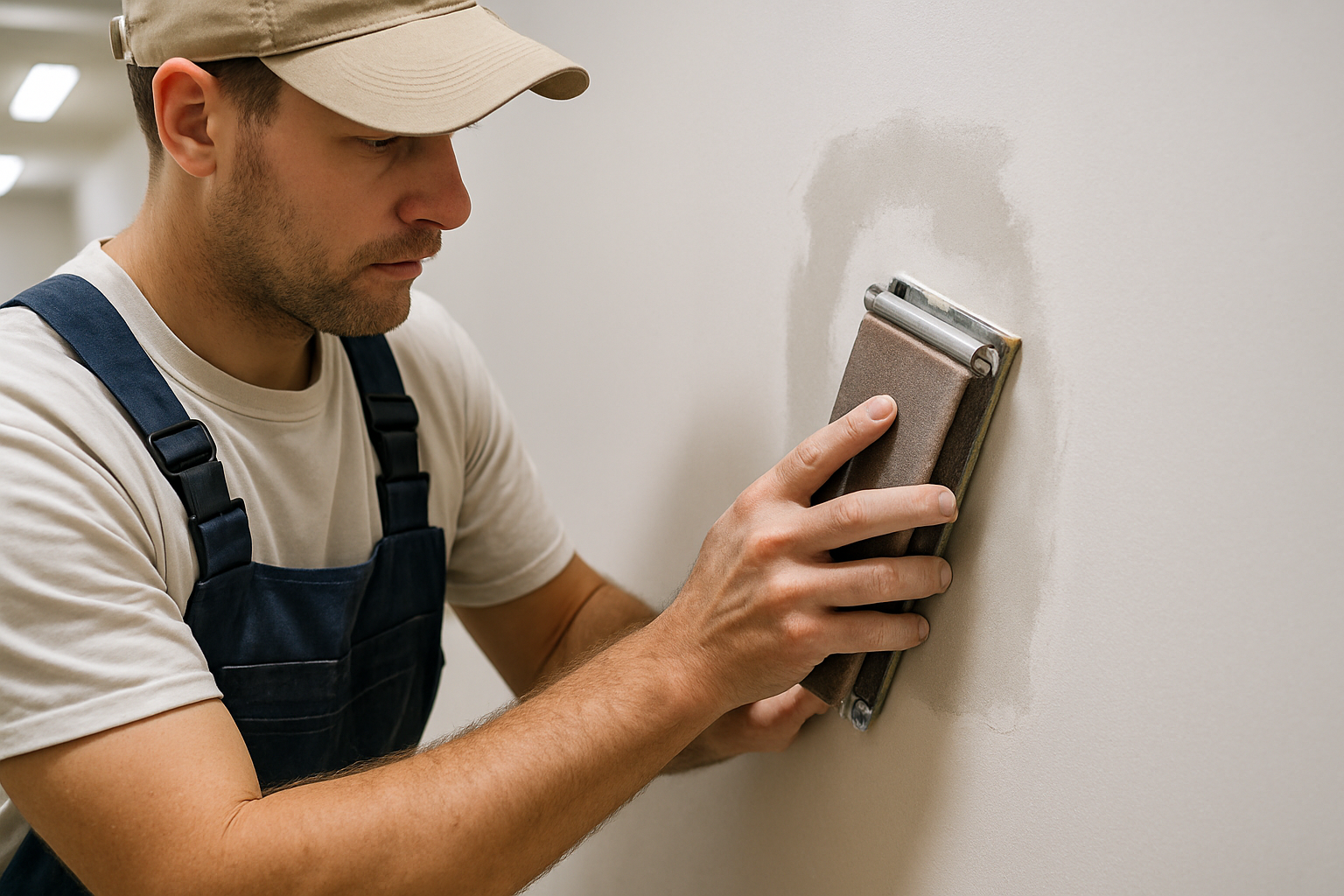
- Sand the edges smooth. Feather the border between bare wall and existing paint with 80-grit sandpaper. Then finish with 120-grit for a smoother transition.
- Fill any damaged areas. Apply spackle or lightweight joint compound to holes, divots, or damaged drywall. Let it dry completely, then sand flush.
- Clean the surface. Wipe the area with a damp cloth. Then use a tack cloth to remove all dust. Any residue left on the surface will compromise adhesion.
- Apply a bonding primer. This step is non-negotiable. Let the primer cure fully per the manufacturer’s instructions, usually one to two hours minimum.
- Paint in thin coats. Apply two coats of finish paint. Allow each coat to dry before adding the next. Thick single coats are more prone to sagging and peeling.
Room-Specific Considerations for How to Fix Paint Peeling
Not every room needs the same approach. The environment where the peeling occurs should influence your product choices significantly.
Bathrooms and laundry rooms: These spaces require a moisture-resistant primer and a semi-gloss or satin finish paint. Flat paint in these rooms is almost guaranteed to fail. Moreover, make sure your exhaust fan is actually venting outside, not into the attic.
Kitchens: Grease residue on kitchen walls requires a degreaser wash before any scraping or sanding begins. If you are also planning a cabinet refresh, checking kitchen cabinet painting cost ahead of time helps you budget the full project at once.
Living and dining rooms: These lower-humidity spaces give you more finish flexibility. For example, you can use eggshell and matte options. This is also where staying current on interior paint color trends 2026 can make a fresh repair feel like a real room upgrade.
Ceilings: Peeling ceiling paint often signals a ventilation or roof issue. If you have a textured or older ceiling and you are unsure of its composition, consider testing before disturbing the surface. Asbestos was commonly used in popcorn textures prior to 1978.
If your goal is resale, be thoughtful about color selection during the repair. Choosing shades that align with paint colors for home resale value can turn a basic repair into a selling point.
Things to Know
- Homes built before 1978 may have lead-based paint beneath the peeling layers. If you suspect lead, use an EPA-approved test kit before sanding. Follow safe work practices outlined by the EPA’s Renovation, Repair, and Painting (RRP) Rule.
- Peeling on exterior walls that migrates to interior surfaces usually means you have a moisture barrier failure. It’s not just a paint problem.
- Oil-based paint beneath latex can be identified easily. Rub the surface with a cotton ball soaked in denatured alcohol. If paint transfers, it is latex. If not, it is likely oil-based.
- Using a paint finish that is too flat in a high-moisture room is one of the most common reasons repairs fail. Therefore, repairs can fail within months.
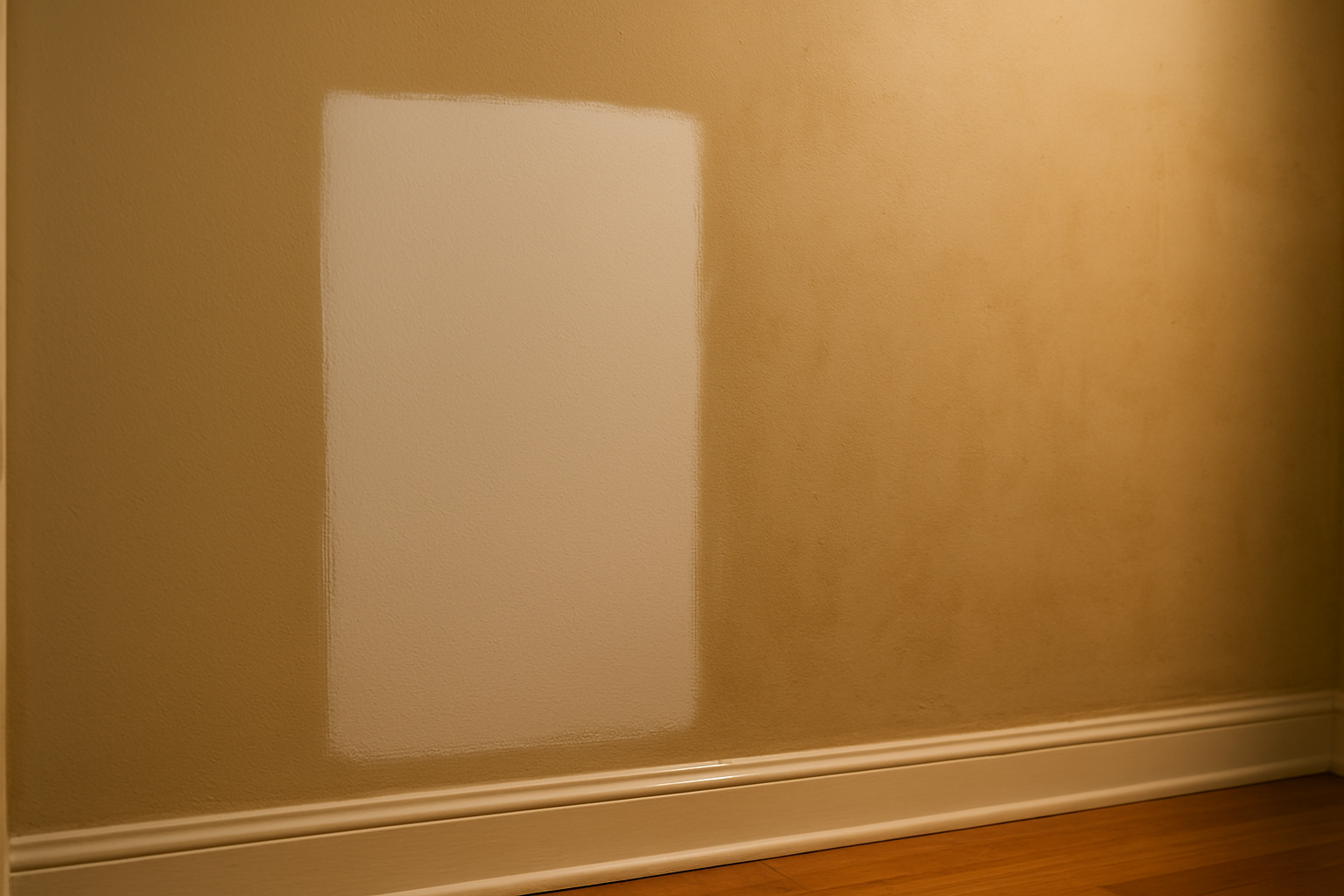
- Spot repairs on older walls can be tricky to blend perfectly. This is because aged paint has faded. Painting the full wall section is often a cleaner result.
When to Call a Professional
Stop peeling paint before it spreads further. If you have noticed peeling in multiple rooms, on ceilings, or near windows and doors throughout your home, the problem is almost certainly moisture-related. Therefore, it needs a professional eye. A licensed painter can assess whether the cause is fully resolved before committing to a full repaint.
Fairfield Painting Contractors serves homeowners across Fairfield, CT and the surrounding coastline with full-service interior painting, drywall repair, and surface prep. Their year-round, full-time crew handles everything from spot repairs to complete room repaints. Moreover, proper surface preparation is built into every job.
Request your free estimate today and let a licensed professional assess the damage before it gets worse. Tell them where the peeling is, how long it has been there, and whether you have noticed any moisture issues nearby.
Frequently Asked Questions
Q: Can I paint directly over peeling paint without scraping?
No, painting over peeling paint without removing it first will cause the new coat to fail quickly. The new paint film bonds to the unstable layer beneath it. As a result, it will peel along with the old paint. Always scrape, sand, and prime before applying a finish coat.
Q: How do I know if moisture is causing my paint to peel?
Look for bubbling, staining, or peeling that appears near plumbing, windows, or exterior walls. These patterns strongly suggest water infiltration. Additionally, a moisture meter, available at most hardware stores for under $30, can confirm elevated moisture levels in the wall substrate.
Q: Does the type of primer actually matter that much?
Yes, using the right primer is arguably more important than which finish paint you choose. A bonding primer creates the adhesion layer that holds everything together. In high-humidity rooms, a stain-blocking primer also prevents water stains from bleeding through the new coat.
Q: How long should I wait after fixing a leak before repainting?
Most professionals recommend waiting at least 30 days after a moisture source is resolved before painting. This allows the substrate to dry fully. Painting over damp drywall or plaster is one of the leading reasons peeling comes back quickly after a repair.
Q: Is peeling paint a health risk?
It can be, particularly in homes built before 1978 where lead-based paint may be present beneath the peeling layers. The EPA recommends testing for lead before disturbing paint in older homes. Disturbing lead paint through sanding or scraping without proper precautions poses an inhalation risk, especially for children and pregnant women.
The Bottom Line on How to Fix Paint Peeling on Walls
Fixing paint peeling on walls is straightforward when you address the root cause first. Furthermore, following the correct prep sequence is essential. Scrape, sand, prime, and paint in thin coats. Skip any of those steps and the problem will be back before the year is out.
If the peeling is extensive, if you have concerns about lead or asbestos, or if you simply want a result that lasts, working with a qualified local contractor is a smart call. Take stock of where the peeling is worst. Resolve any moisture issues you can identify. Then reach out to a professional for anything that goes beyond a surface-level spot repair.