
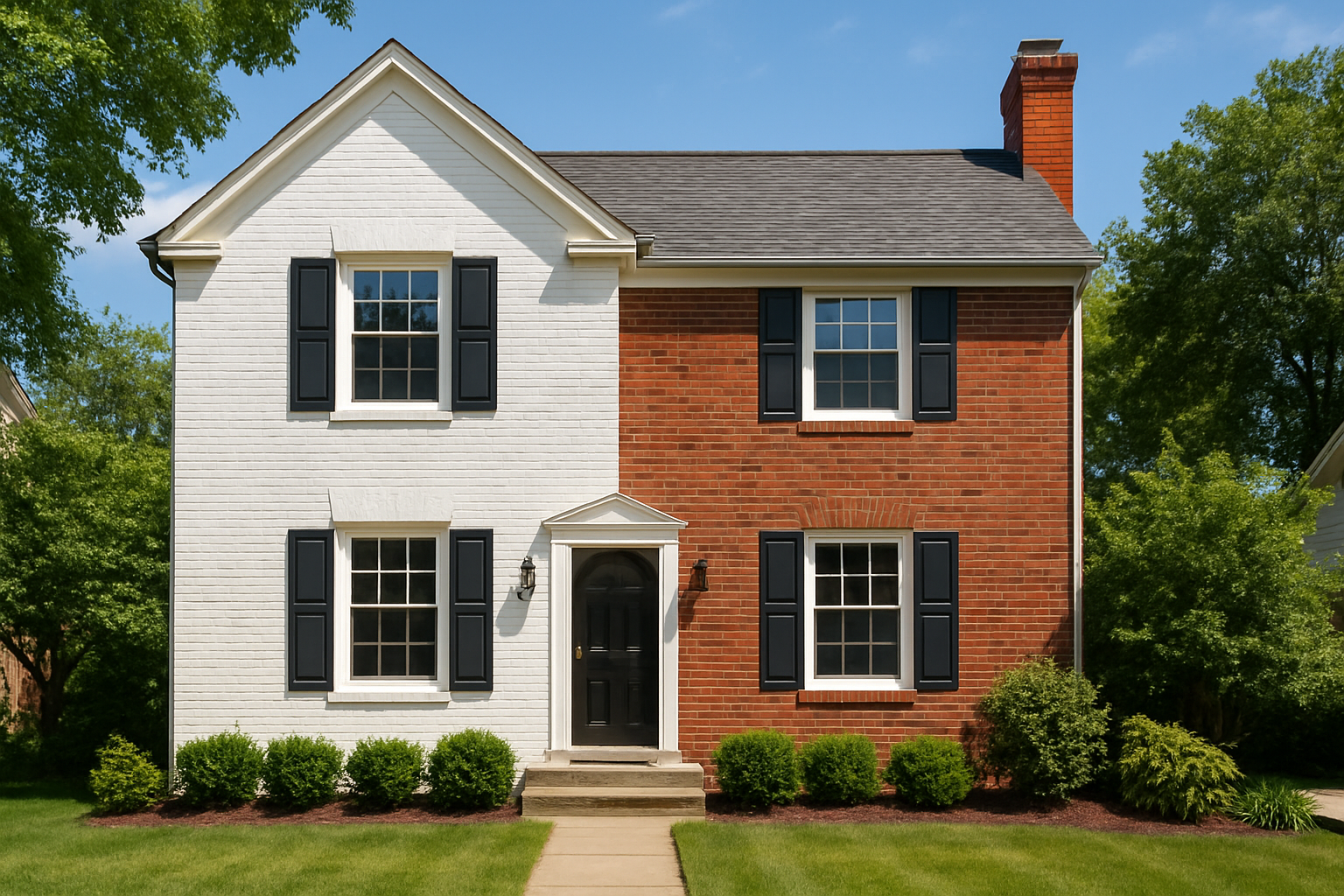
Painting a brick exterior can transform a dated or weathered facade into a polished, updated look. When you learn how to paint brick exterior properly, the results protect the masonry from moisture, UV exposure, and freeze-thaw cycles for a decade or more. Done right, this project is one of the highest-impact home updates available.
Table of Contents
- Why Homeowners Are Painting Brick in 2026
- What You Need to Know Before You Start
- Step-by-Step: How to Paint Brick Exterior Surfaces
- Choosing the Right Paint and Primer for Brick Exterior
- Things to Know
- Should You DIY or Hire a Pro?
- Get a Free Estimate From Fairfield Painting Contractors
- Frequently Asked Questions
Why Homeowners Are Painting Brick in 2026
Painted brick is having a real moment. According to FacadeColorizer (2026), painted brick accounted for 14% of all exterior simulation projects run by U.S. homeowners since 2024. This makes it the second most popular option after vinyl siding repaints. Notably, painting brick houses white is currently the single most-searched exterior refresh on Pinterest in 2026.
This interest aligns with broader home improvement trends. The U.S. house painting market was valued at $24.4 billion in 2024. According to Vander Kolk Painting (2025), projected growth of 5.3% is anticipated for 2025. Additionally, a 2024 Houzz survey found that median spending on home renovations rose significantly. Homeowners climbed from $15,000 to $24,000 between 2020 and 2023. Homeowners are clearly investing more. In turn, a brick exterior paint project represents one of the most impactful updates you can make.
What You Need to Know Before You Start
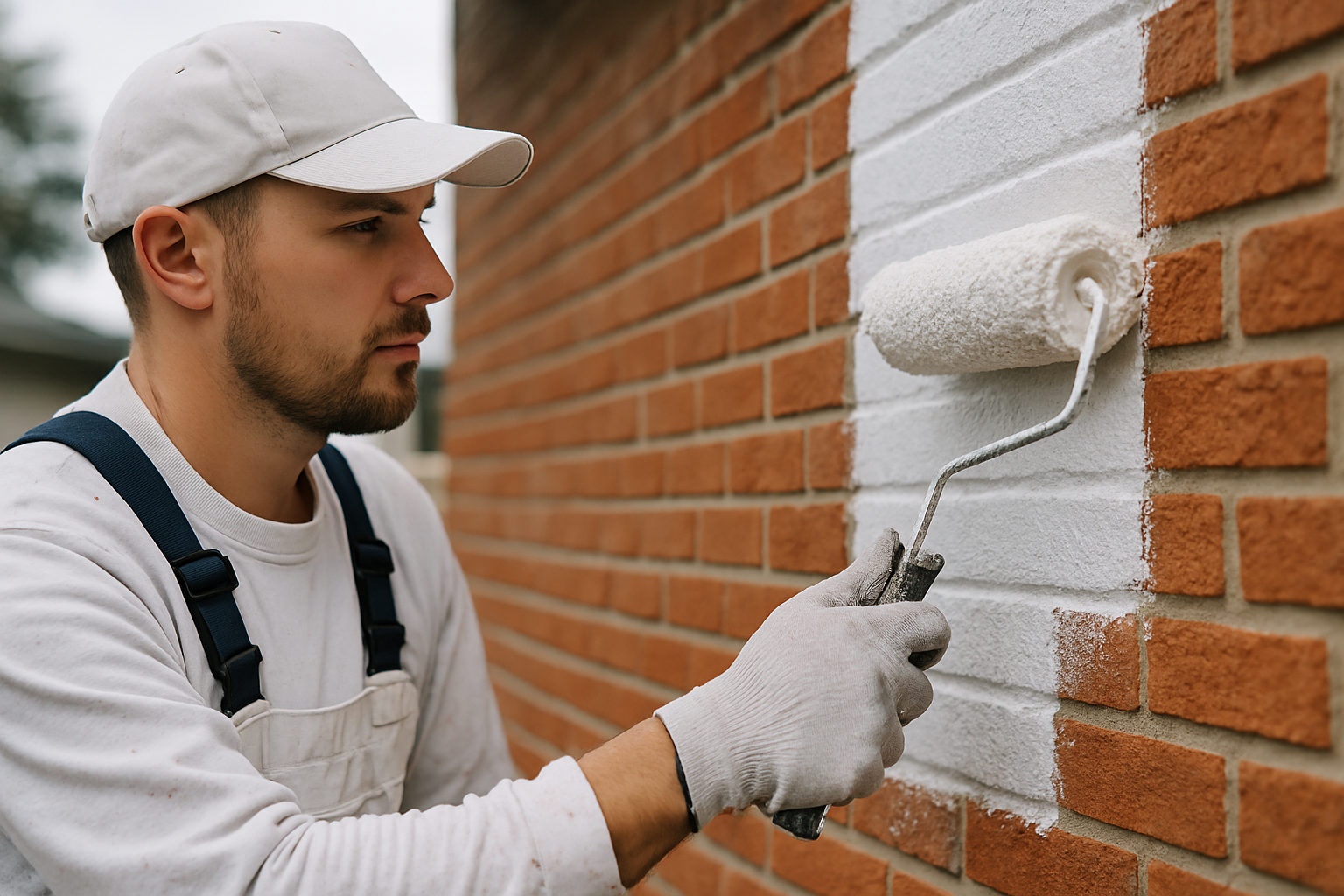
Painting brick differs significantly from painting wood siding or stucco. Brick is highly porous. Once you paint it, the process is essentially permanent. Removing paint from brick typically requires chemical strippers or sandblasting. Both methods can damage the masonry surface irreversibly.
Therefore, you should complete a few critical pre-project checks:
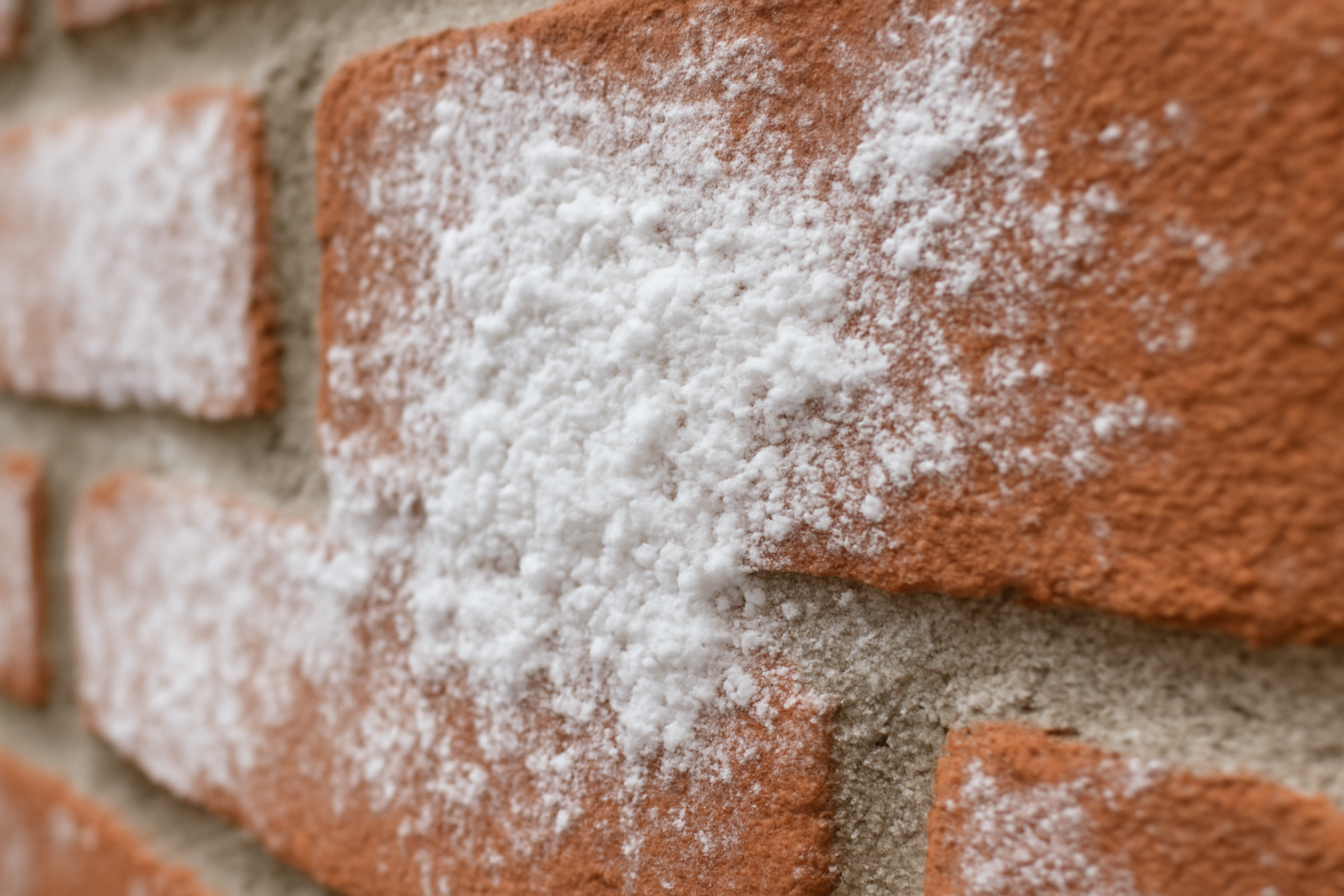
- Age of the brick: Brick less than five years old may still be curing and releasing efflorescence. Mineral salts prevent paint from bonding properly. Wait until the surface is fully stable before proceeding.
- Existing moisture problems: Paint can trap moisture inside brick. This accelerates spalling and cracking. According to Brickhunter, identifying and repairing moisture infiltration before painting is non-negotiable.
- Historic designation: If your home is on a local or national historic register, painting the exterior brick may violate preservation guidelines. Check with your municipality before proceeding.
- Mortar condition: Cracked or crumbling mortar must be repointed before any paint is applied. Paint cannot bridge structural gaps. Covering them only delays a more expensive repair.
For Fairfield, CT homeowners, coastal humidity and salt air make surface prep even more critical. Trapped moisture expands during freeze-thaw cycles. As a result, paint can push off the surface within a single winter if prep is skipped.
Step-by-Step: How to Paint Brick Exterior Surfaces
Here is a practical breakdown of the process professionals follow:
1. Pressure Wash the Surface
Thoroughly clean the brick with a pressure washer set to a moderate PSI. This removes dirt, moss, mildew, and any loose mortar dust. Let the brick dry completely. This may take 24 to 48 hours depending on weather conditions.
2. Repair Mortar and Cracks
Fill any gaps in the mortar joints with a matching mortar mix. Allow the repairs to fully cure before moving forward. This step prevents future cracking under the paint layer.
3. Apply Masonry Primer
This step is where most DIY projects fail. Brick requires a penetrating masonry primer. Standard interior or exterior wall primers will not work effectively. The primer seeps into the pores and creates the bond that paint alone cannot achieve.
Apply the primer with a thick-nap roller (at least 3/4 inch). Work it carefully into the mortar joints. Ensure complete coverage before moving to the paint stage.
4. Apply First Coat of Paint
Use a masonry-rated exterior paint in a flat or low-sheen finish. Flat finishes are generally preferred for brick. They allow the surface to breathe and release moisture vapor. Apply with a thick-nap roller. Use a brush to get into the mortar joints and any recessed areas thoroughly.
5. Apply Second Coat
After the first coat dries fully, typically 4 to 6 hours in dry conditions, apply the second coat in the same manner. Two coats are the minimum for proper coverage and durability.
6. Inspect and Touch Up
Walk the perimeter carefully. Look for any thin spots, drips, or missed mortar joints. Address those with a brush before cleanup.
Choosing the Right Paint and Primer for Brick Exterior
Not all exterior paint works for masonry. The two most suitable options for how to paint brick exterior are:
| Product Type | Best For | Key Benefit |
|---|---|---|
| Elastomeric masonry paint | Older brick, minor cracks | Flexible, bridges hairline cracks |
| Vapor-permeable masonry paint | Newer or well-sealed brick | Allows moisture to escape |
| Standard exterior latex (masonry-rated) | Smooth, stable brick | Cost-effective, wide color range |
| Mineral paint (silicate-based) | Historic or high-porosity brick | Chemically bonds with masonry |
For eco-conscious homeowners, low- and zero-VOC paint markets are expanding rapidly. According to Vander Kolk Painting (2025), the global market for these products is projected to reach $11.17 billion by 2025. Growth forecasts climb to $17.83 billion by 2032. Low-VOC masonry paints are now widely available. They perform comparably to traditional formulations in most conditions.
You can gain insight into project costs by reviewing information on the cost to paint the exterior of a house in Fairfield CT. This resource factors in surface type, square footage, and prep requirements.
Things to Know
- Painting brick is essentially irreversible. Removal is possible but damages the surface. Treat the decision as permanent.
- Efflorescence (the white, chalky mineral residue on some brick) must be scrubbed off and treated before priming. Otherwise, paint will peel within months.
- Dark paint colors absorb more heat. They can accelerate mortar deterioration in climates with significant temperature swings.
- Skipping a masonry primer is the single most common reason painted brick fails prematurely. Standard primer is not a substitute.
- According to Angi, the cost to paint a brick house varies significantly based on size, condition, and local labor rates. Understanding DIY vs professional painting helps you weigh whether tackling this project yourself or hiring help makes financial sense.
Should You DIY or Hire a Pro?
Brick painting is physically demanding and technically unforgiving. The margin for error on prep is narrow. Mistakes often do not show up until a season or two later when paint begins to peel or blister. For larger homes or properties with existing moisture concerns, a professional crew with masonry experience is a meaningful investment.
Before committing to anyone, it pays to know what to ask a painter in Fairfield CT. Ask regarding their experience with brick, their primer product choices, and how they handle moisture remediation. Furthermore, you should understand what Fairfield homeowners should expect from an exterior painting contractor. This includes written contracts, preparation standards, and cleanup procedures.
Get a Free Estimate From Fairfield Painting Contractors
Painted brick done poorly is a costly and frustrating outcome. Fairfield Painting Contractors is a locally operated, licensed and insured residential painting company. They serve Fairfield, CT and the surrounding coastline. Their full-time, year-round crew handles exterior brick prep, priming, and painting with the detail this type of project demands.
Request your free exterior painting estimate today. Get a clear, itemized quote with no pressure and no guesswork. Reach out now and one of their team members will follow up promptly to schedule an on-site assessment of your brick exterior.
Frequently Asked Questions
Q: Can all types of brick be painted?
Most brick types can be painted. However, new brick, historic brick, and brick with active moisture issues require special consideration before proceeding.
Brick less than five years old may not have fully cured. Historic brick is often softer and more porous. This makes it more vulnerable to paint-related moisture damage. Any brick with active water infiltration should have that issue corrected before painting begins.
Q: How long does paint last on a brick exterior?
With proper prep and a quality masonry paint, a painted brick exterior typically lasts 15 to 20 years before needing a full repaint.
Coastal and high-humidity climates can shorten that lifespan. Annual inspection for peeling, cracking, or moisture spots helps catch problems early. This extends the overall longevity of the paint job.
Q: Do I need a special primer for brick?
Yes. A penetrating masonry primer is required for painted brick to bond correctly and resist peeling.
Standard interior or exterior primers do not penetrate brick’s porous surface deeply enough. They cannot hold paint through seasonal temperature changes. Skipping this step is the leading cause of premature paint failure on masonry.
Q: Will painting brick hurt my home’s resale value?
Painted brick can increase curb appeal and perceived value. However, some buyers prefer natural brick. The effect varies by market and buyer preference.
In neighborhoods where painted brick is common, it is generally neutral to positive for resale. In areas where natural brick is highly valued, it may limit buyer interest. Consulting a local real estate professional before painting is a reasonable step if resale is a near-term concern.
Q: How do I know if my brick has a moisture problem before painting?
Look for staining, white efflorescence deposits, soft or crumbling mortar, or interior water marks near exterior walls.
A masonry professional or experienced painting contractor can conduct a more thorough assessment. Addressing moisture at the source before applying paint is essential. Painting over an active leak only conceals the problem temporarily while the underlying damage continues.