
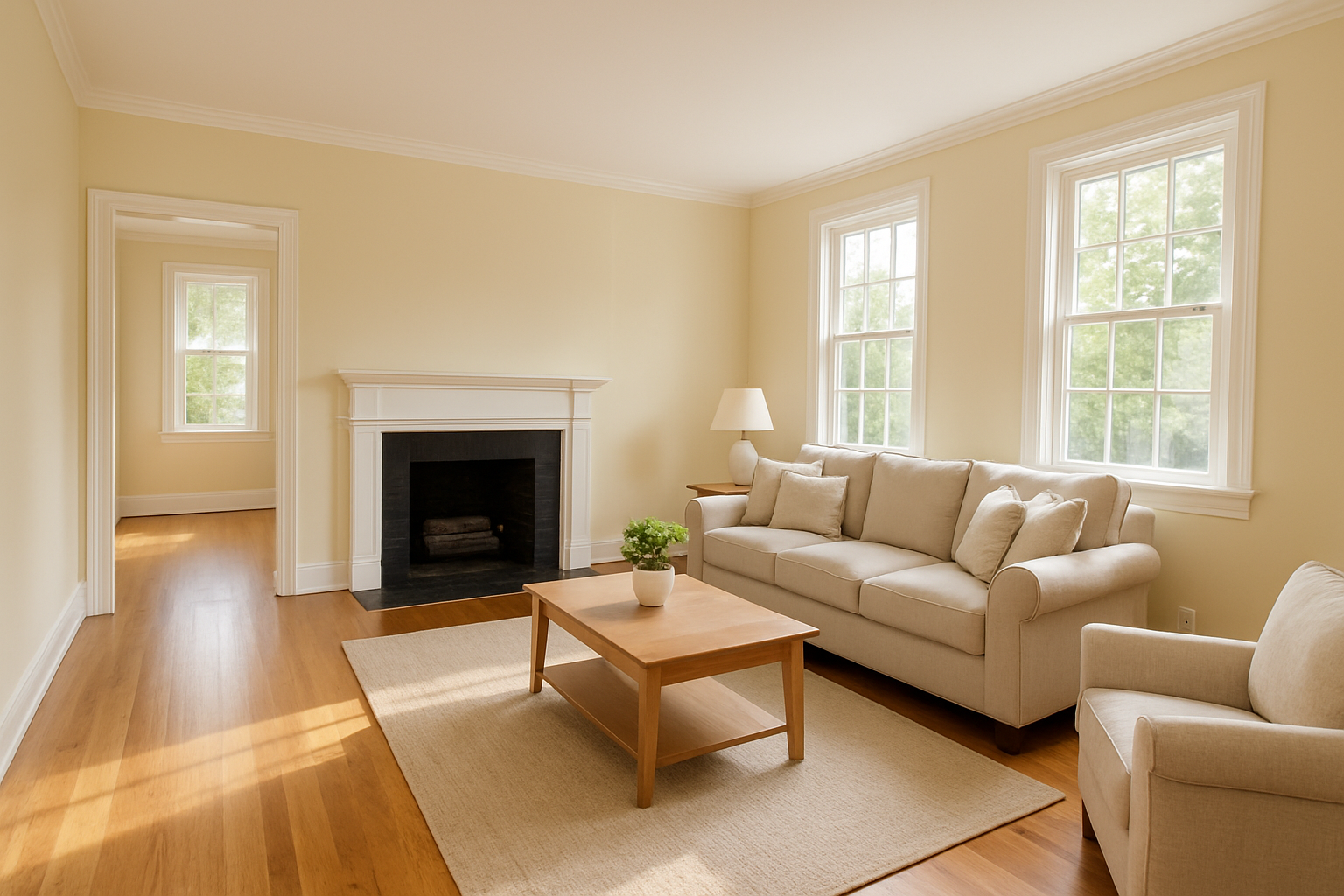
The cost to paint an interior room in 2026 ranges from $955 to $2,890 for most homeowners, with a national average of $1,892 (FacadeColorizer, 2026). Additionally, factors like room size, ceiling height, surface condition, and the number of coats required can push that number higher or lower.
Table of Contents
- What the Numbers Look Like Nationally
- What Drives the Cost to Paint Interior Rooms Up or Down
- DIY vs. Hiring a Professional for Interior Room Painting
- Room-by-Room Cost Breakdown for Interior Painting
- Things to Know
- Get an Accurate Estimate for Your Home
What the Numbers Look Like Nationally
Pricing data across the industry tells a fairly consistent story. According to Angi (2026), professional interior paint jobs typically run $2 to $6 per square foot. When you factor in walls, trim, and ceilings together, that average climbs to $4.70 per square foot nationally.
For larger whole-home projects, the numbers scale accordingly. Moreover, CertaPro Painters reports that the average interior painting project completed through their network came to $3,842.14 nationally in 2025. That figure reflects multi-room jobs, not single-room work, so it provides useful context when you scope a bigger renovation.
Interior painting also carries a meaningful return on investment. According to Angi (2026), interior painting offers an ROI of around 107%, making it one of the more cost-effective home improvements available to homeowners before a sale.
Furthermore, the US house painting and decorating industry brought in an estimated $28.2 billion in 2025, with no single company holding even 5% of the market (Sensible Digs, 2026). That level of fragmentation is actually good news for consumers: local competition keeps pricing honest.
What Drives the Cost to Paint Interior Rooms Up or Down
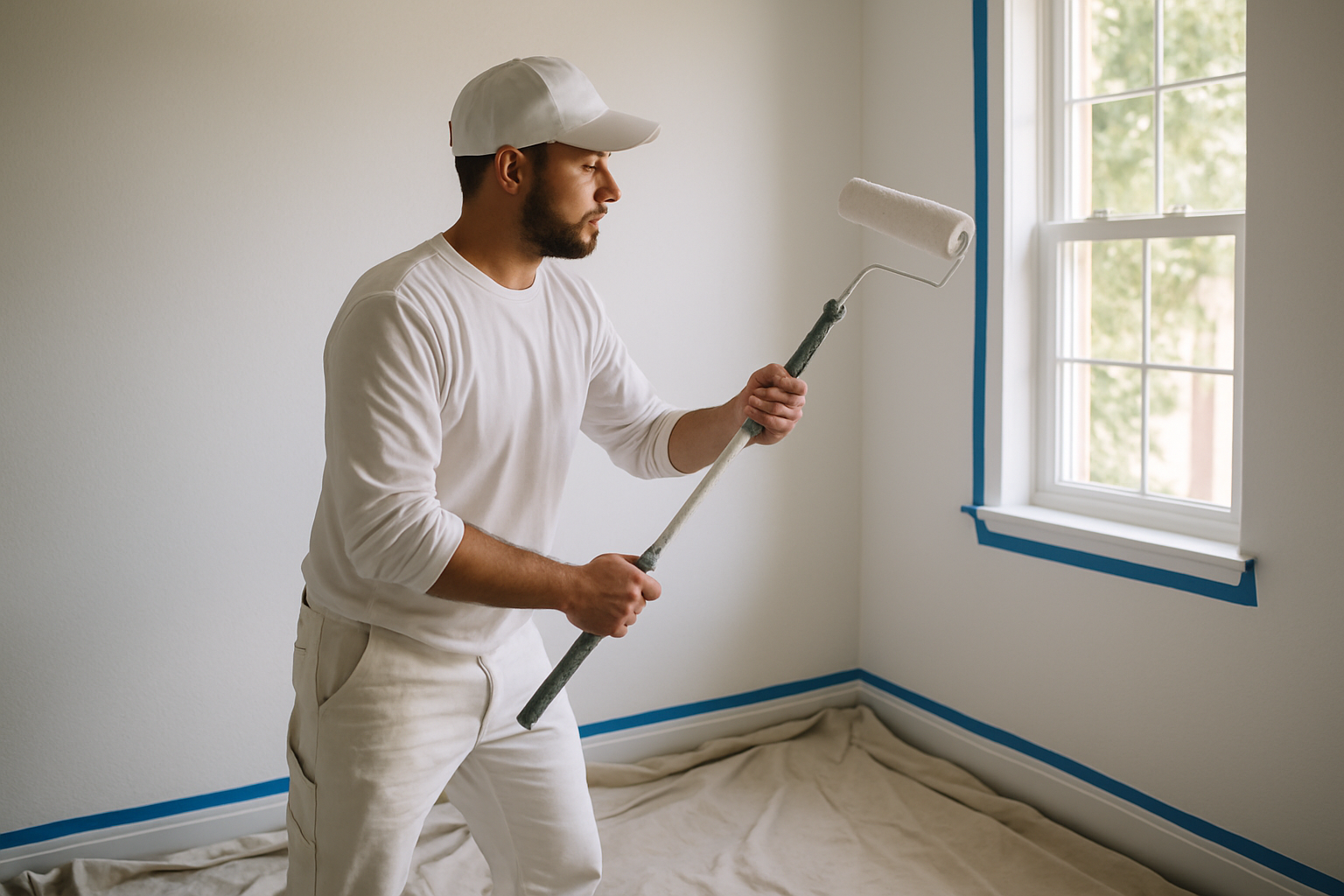
Not every room costs the same to paint, and understanding the variables helps you budget accurately. You’ll avoid getting caught off guard by the final invoice.
Key pricing factors:
- Room size: A standard 10×12 bedroom costs less than a vaulted great room. Square footage is the baseline for every estimate.
- Ceiling height: Rooms taller than 8 feet require ladders or scaffolding. This adds labor time and cost to your overall bill.
- Surface condition: Walls with cracks, holes, or old texture require prep work before a brush ever touches them. If you’re dealing with a bumpy overhead surface, understanding how to remove popcorn ceiling beforehand can prevent surprises in your quote.
- Number of coats: Dark colors painted over a light base (or vice versa) often need two to three coats. That adds material and labor to the total cost.
- Paint quality: Contractor-grade paint costs less upfront but may require additional coats. Premium paints with built-in primers tend to reduce overall labor expenses.
- Trim and ceilings: If you want baseboards, crown molding, and ceilings included, expect to pay more than for walls alone.
- Color selection: Bold or saturated colors, especially reds and deep blues, typically need more coats to achieve full coverage. If you’re still deciding, browsing accent wall colors living room options can help you narrow down a palette before getting quotes.
Labor rates also vary by geography. The average cost to hire a painter nationally is $468 per day (Improovy, 2024), but rates in high cost-of-living areas like coastal Connecticut tend to run higher than rural Midwest markets.
DIY vs. Hiring a Professional for Interior Room Painting
The appeal of DIY painting is straightforward: you save on labor. However, the trade-offs are real and worth considering honestly.
When you hire a professional, you pay for speed, consistency, and surface preparation expertise. A trained crew will tape, prime, cut in, roll, and clean up in a fraction of the time it takes most homeowners. They also carry liability insurance, which matters if something goes wrong.
DIY makes sense for small, low-stakes projects: a powder room, a single accent wall, or touch-up work in a bedroom. In contrast, for rooms with high ceilings, complex trim work, or surfaces that need significant repair, professional results are difficult to replicate without the right tools and experience.
One area where homeowners frequently underestimate difficulty is prep. Stripping old wallpaper, repairing drywall, and priming correctly are labor-intensive steps. These steps directly affect how the final coat looks. If you want to add visual interest without committing to a full paint job, exploring peel and stick wallpaper ideas can be a lower-effort alternative for accent walls.
Room-by-Room Cost Breakdown for Interior Painting
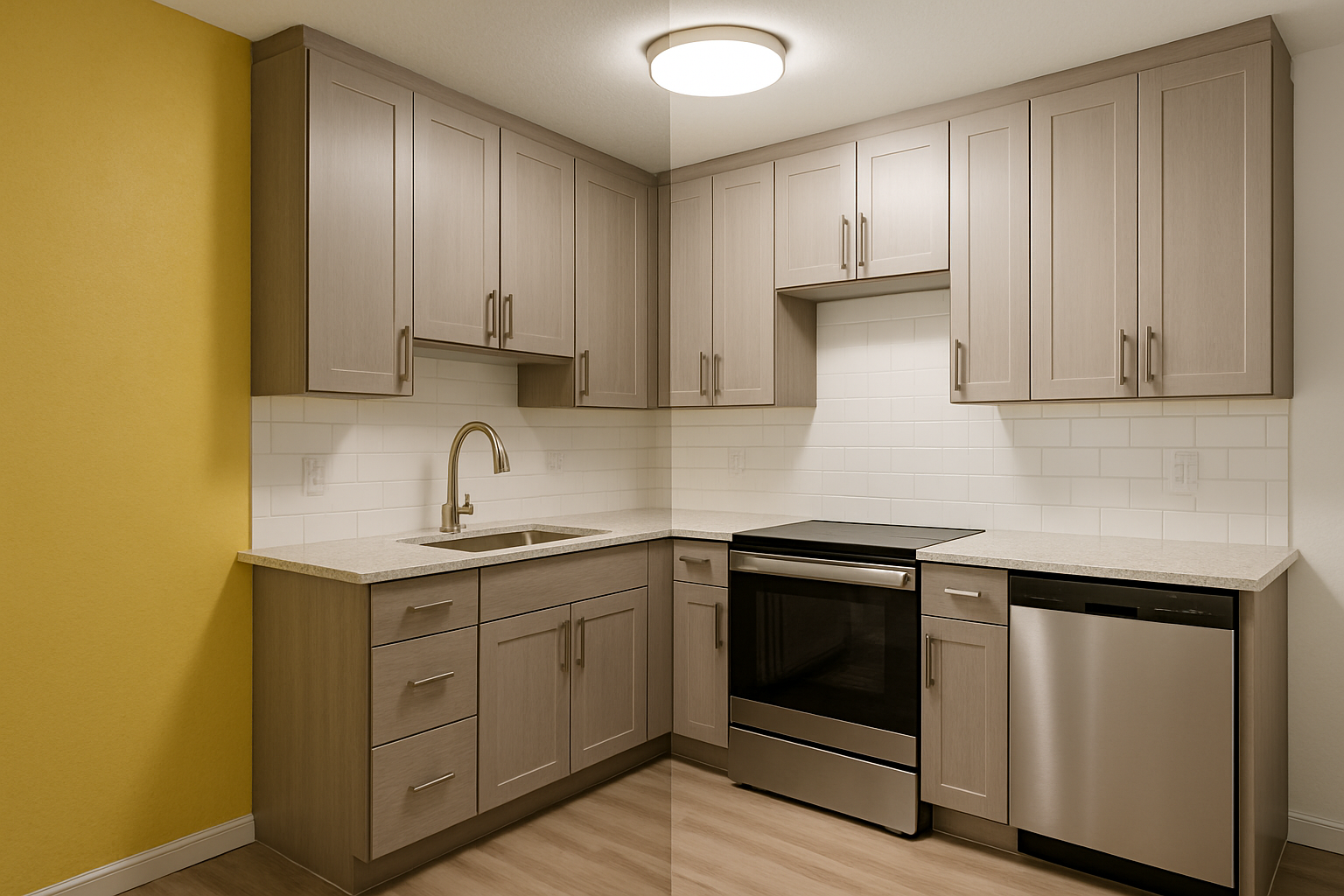
Use this table as a general reference for the cost to paint interior room projects. Your actual costs will vary based on your location, surface condition, and the specific contractor you hire.
| Room | Approximate Size | Estimated Cost Range |
|---|---|---|
| Small bedroom | 10×10 ft | $350 to $750 |
| Standard bedroom | 12×12 ft | $500 to $1,000 |
| Master bedroom | 14×16 ft | $700 to $1,400 |
| Living room | 15×20 ft | $900 to $2,000 |
| Kitchen | 10×12 ft | $500 to $1,200 |
| Bathroom | 5×8 ft | $150 to $400 |
| Full interior (multi-room) | Varies | $3,000 to $7,500+ |
These estimates align with the $2 to $6 per square foot range reported by Angi (2026). Keep in mind that trim, doors, and ceilings are typically quoted separately unless specified otherwise.
Choosing the right color before work begins also helps avoid costly repaints. If your project involves lighter tones or a full room refresh, reviewing best white paint colors for walls can save you from second-guessing after the first coat dries.
Things to Know
- Always get at least three written quotes. Verbal estimates are not binding, and the lowest bid is not always the best value.
- Ask what prep work is included. Some contractors quote paint-only while others include sanding, priming, and hole repair. Clarify before signing.
- Paint sheen affects durability. Eggshell and satin finishes are easier to clean than flat and work better in high-traffic rooms like kitchens and hallways.
- Timing affects scheduling. Spring and early fall are peak seasons for painting contractors. Booking in winter can sometimes get you faster availability and more competitive pricing.
- Licensing and insurance matter. In Connecticut, residential contractors should carry general liability insurance. Always verify before work begins.
Get an Accurate Estimate for Your Home
Rough averages can only take your planning so far. The real cost to paint an interior room depends on the specific conditions inside your home. Therefore, the only way to know your actual number is to have a professional walk through it with you. Fairfield Painting Contractors serves homeowners across Fairfield, CT and the surrounding coastline with a full-time, licensed, and insured crew. Request your free estimate today and get a clear, itemized quote with no pressure and no guesswork. Call or fill out the contact form to schedule your walkthrough this week.
Frequently Asked Questions
Q: How much does it cost to paint one room yourself versus hiring a pro?
DIY costs typically run $50 to $200 in materials for a standard room, while hiring a professional averages $500 to $1,500 for the same space.
The gap reflects labor, which accounts for the majority of a professional quote. DIY saves money upfront but takes significantly more time and often produces less polished results, especially on edges, trim, and corners.
Q: Does painting a room increase home value?
Yes. Interior painting offers an estimated ROI of around 107%, according to Angi (2026).
Fresh paint is one of the most cost-effective ways to improve a home’s appearance before listing. Neutral, well-applied colors help buyers visualize the space as their own.
Q: How long does it take a professional to paint a single room?
A professional painter can typically complete a standard bedroom in four to eight hours, including prep and cleanup.
Larger rooms, high ceilings, or surfaces requiring significant repair can extend that timeline considerably. Multi-coat jobs also add time between drying phases.
Q: What is included in a professional interior painting quote?
Most professional quotes cover labor, materials, surface prep, and cleanup, though the specifics vary by contractor.
Always review the quote line by line. Some contractors charge separately for primer, patching, or trim work. Getting a detailed written scope prevents misunderstandings once the job starts.
Q: How often should interior rooms be repainted?
Most interior rooms benefit from repainting every five to ten years, depending on traffic, sunlight exposure, and finish type.
High-traffic areas like hallways, kitchens, and kids’ rooms may need attention sooner. Lower-traffic rooms like guest bedrooms can often go longer between full repaints.