
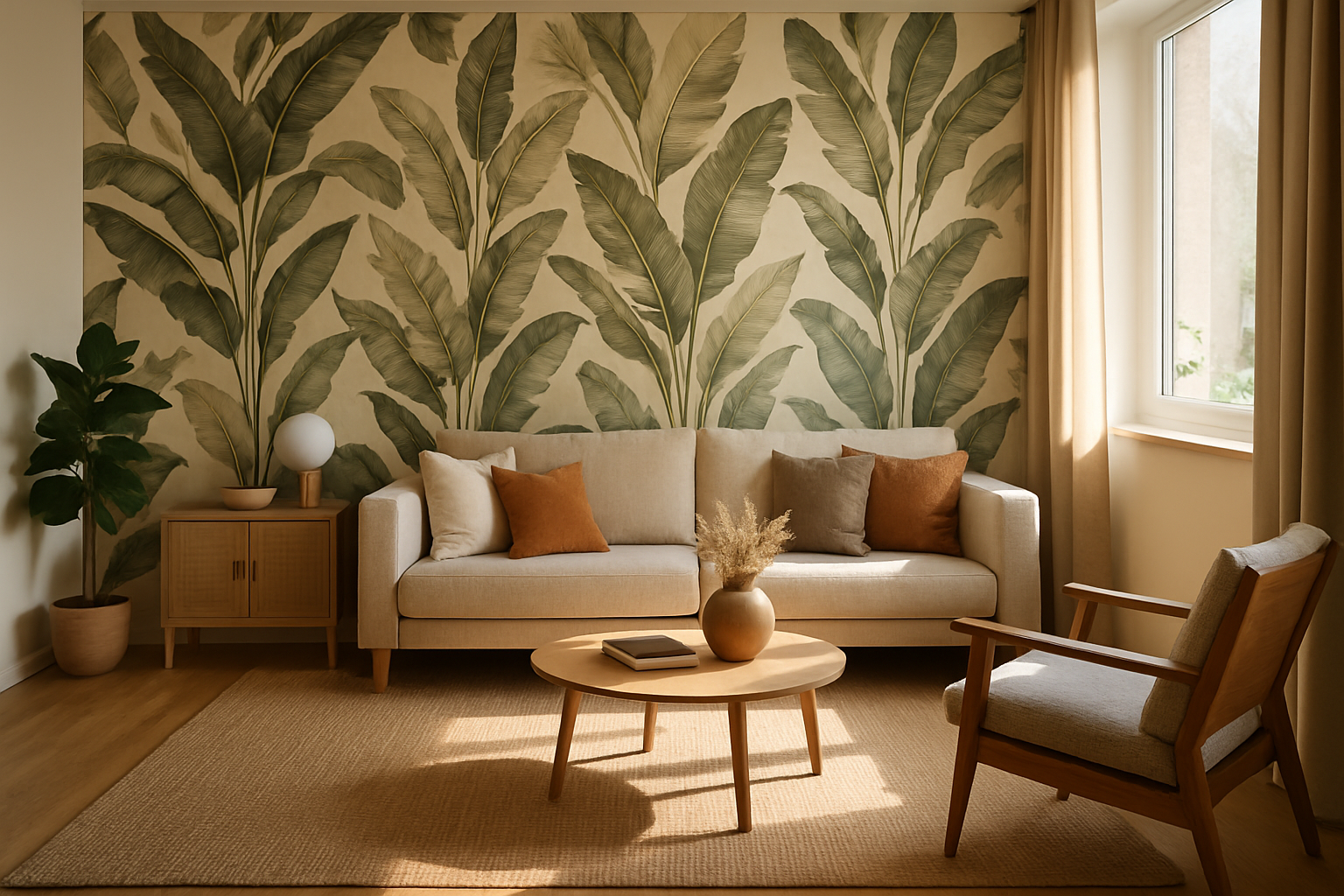
Peel and stick wallpaper is a removable, pressure-sensitive wall covering that lets you refresh any room without permanent adhesive or professional help. These peel and stick wallpaper ideas work perfectly whether you’re renting an apartment or want a low-commitment update. It’s one of the most versatile decorating tools available today.
Key Takeaways
- Peel and stick wallpaper works on smooth, clean, primed surfaces. Textured walls reduce adhesion significantly.
- Accent walls deliver the most visual impact. They require the least material cost and effort.
- Small spaces like bathrooms, laundry rooms, and closets are ideal starting points for beginners.
- Pattern matching and panel alignment are the trickiest parts. Measure twice before cutting.
- Removal is cleanest on freshly painted or properly primed walls. Older paint may peel with the paper.
- It’s a smart temporary fix. However, permanent wall transformations often benefit from professional prep work underneath.
Why Peel and Stick Wallpaper Ideas Have Become Popular for Renters and Homeowners
The appeal is straightforward: no paste, no soaking, no hiring someone to hang it. Additionally, you apply it like a large sticker. You smooth out the bubbles, and you’re done. Removal is just as easy, assuming your walls were properly prepared beforehand.
The market has expanded dramatically over time. What was once limited to basic patterns is now available in textured finishes, mural-style prints, geometric designs, and realistic materials like brick, marble, and wood grain. Therefore, these peel and stick wallpaper ideas are more accessible across different design aesthetics. This includes everything from minimalist Scandinavian to maximalist bohemian.
That said, it’s not a perfect substitute for traditional wallpaper or a quality paint job on every surface. Adhesion depends heavily on wall condition, paint sheen, and humidity levels in the room.
The Best Rooms and Surfaces for Peel and Stick Wallpaper Ideas
Not every surface is created equal. Here’s a practical breakdown of where this product works well and where it struggles:
| Room/Surface | Adhesion Quality | Special Considerations |
|---|---|---|
| Bedroom accent wall | Excellent | Low humidity, flat paint works best |
| Kitchen backsplash | Good | Use heat-resistant options near stove |
| Bathroom | Fair | High humidity weakens adhesion over time |
| Closet interior | Excellent | Easy starting point, low stakes |
| Ceiling | Fair | Gravity adds stress; use extra panels |
| Textured walls | Poor | Adhesive won’t bond across uneven surface |
Accent Walls: The Most Efficient Use of Your Budget for Peel and Stick Wallpaper Ideas
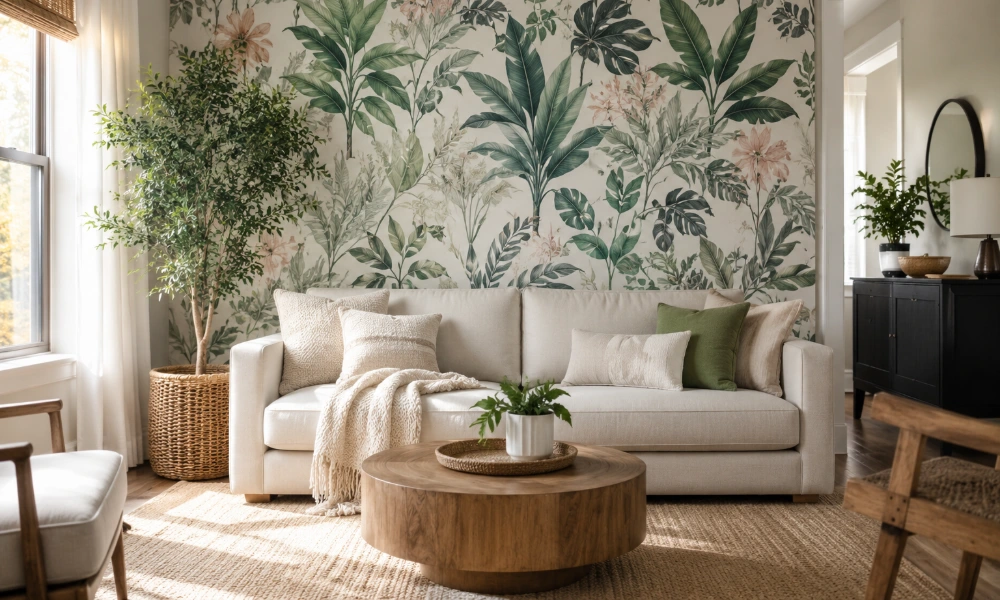
An accent wall behind your bed or sofa is the single most impactful application. You’re using roughly a third of a room’s wallpaper. As a result, you get the full visual effect. For a standard 10-by-10-foot wall, most projects use between 8 and 12 panels. The panel quantity depends on pattern repeat length.
Small Spaces With Big Returns Using Peel and Stick Wallpaper
Laundry rooms, powder rooms, and closet interiors are ideal for beginners. The square footage is low. Moreover, the pressure is minimal. Even a bold pattern won’t feel overwhelming in a compact space. Stair risers are another popular choice. They add detail without committing to a full wall.
Creative Peel and Stick Wallpaper Ideas by Style
Here are specific approaches worth considering based on common design goals:
For a modern, clean look: Large-scale geometric patterns in two-tone palettes work well in home offices or dining rooms. Black-and-white hexagon prints are particularly popular for creating a retro-modern feel.
For a cozy, layered feel: Warm-toned floral or vintage botanical prints in earthy tones add texture and character to bedrooms. They work without overwhelming the space. Pair with natural wood furniture for balance.
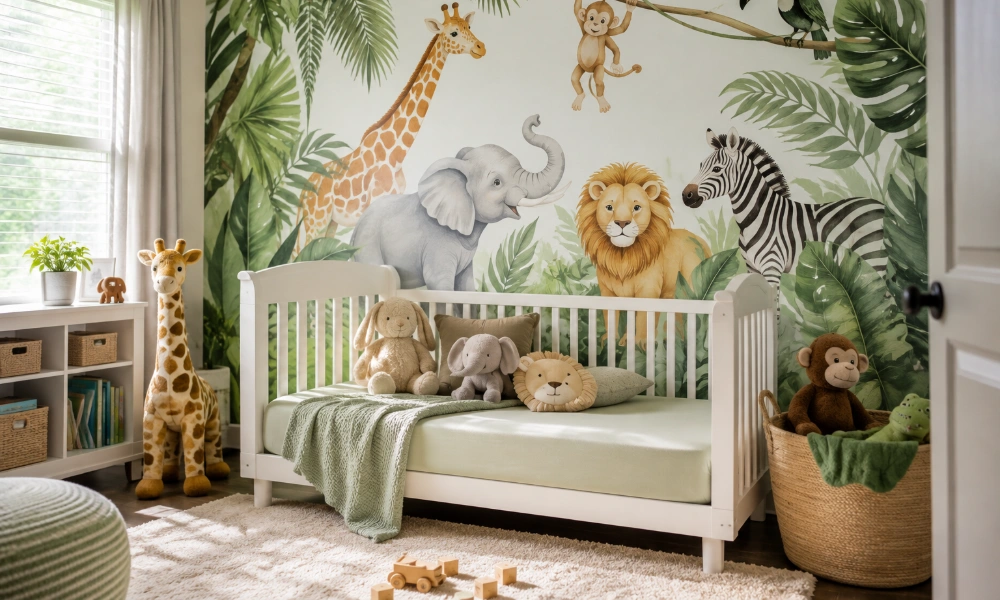
For a kid’s room: Removable wallpaper is practically made for children’s spaces. Furthermore, constellation prints, jungle themes, and alphabet murals are all easy to update as kids grow. You won’t need to repaint.
For a dramatic statement: Full-wall mural papers are available in panels that align into a single image. They work well in entryways or dining rooms. Sunset landscapes, cityscapes, and abstract watercolor murals are widely available from brands like Tempaper and Chasing Paper.
For a faux-finish effect: Peel and stick options that mimic shiplap, subway tile, or reclaimed wood give you the aesthetic of a renovation. You get this without the structural work.
Things to Know
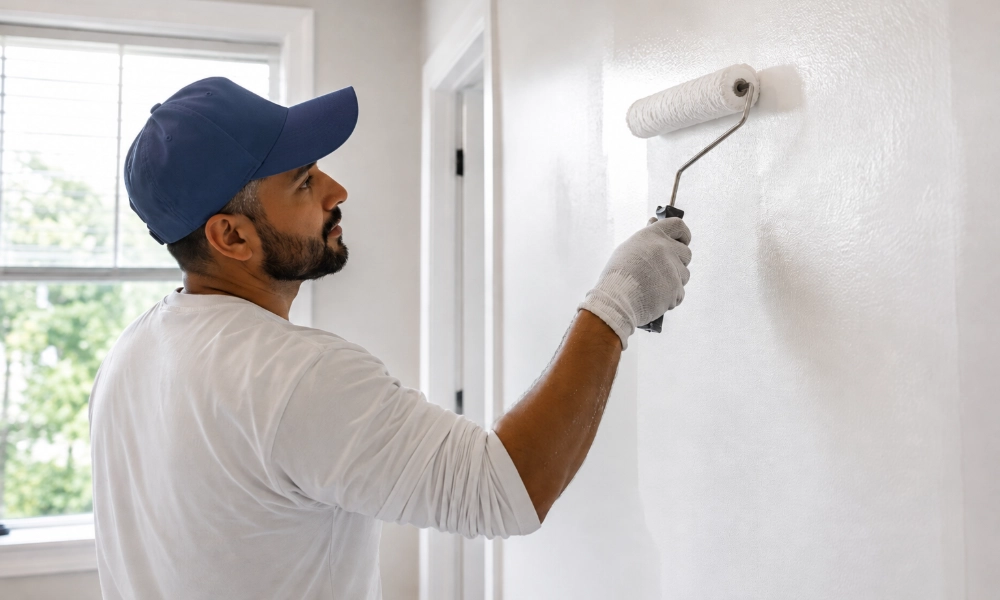
- Surface prep matters more than pattern choice. Even the best wallpaper will bubble or peel on a dirty or glossy wall. Wipe surfaces with a damp cloth. Let them dry completely before application.
- Flat and eggshell paint sheens bond best. Semi-gloss and high-gloss surfaces are too slick. Adhesive often fails within weeks on these finishes.
- Heat affects adhesion. Avoid placing panels near radiators, heating vents, or direct afternoon sun from a south-facing window.
- Most brands recommend waiting 30 days after a fresh paint job before applying peel and stick wallpaper. The paint needs to cure fully. Otherwise, the adhesive might pull the finish off during removal.
- Panel width varies by brand, typically between 20 and 24 inches. Measure your wall and divide before ordering. This avoids short strips at the edges that look unfinished.
When the Wall Underneath Needs Attention First
Here’s where peel and stick wallpaper ideas often hit a wall (literally). If your underlying surface has cracks, peeling paint, or a rough texture, no removable wallpaper will cover it well long-term. The paper will telegraph surface imperfections. It will eventually lose adhesion at the weakest points.
In those cases, the smart move is addressing the wall first. You might need drywall repair, sanding, and a fresh coat of flat paint. Apply these before you add anything on top. If you’re weighing whether to handle prep work yourself or bring in a professional, resources like diy vs professional painting what fairfield homeowners need to know lay out the trade-offs clearly. This is particularly true around prep quality and long-term results.
Homeowners in the Fairfield, CT area who want a permanent painted finish alongside or instead of wallpaper can reach out to Fairfield Painting Contractors. They are a locally operated, licensed and insured residential painting company. Their year-round crew handles interior painting, drywall repair, and wallpaper removal using full-time staff rather than subcontracted seasonal labor. If you’re planning a larger refresh, understanding what to ask a painter in fairfield ct before hiring helps you avoid the most common missteps. For exterior projects in the area, it’s also worth reviewing what fairfield homeowners should expect from an exterior painting contractor and getting a clear picture of the cost to paint the exterior of a house in fairfield ct before committing to any scope of work.
Frequently Asked Questions
Q: Can you use peel and stick wallpaper in a bathroom?
You can, but high humidity significantly shortens its lifespan compared to drier rooms. Choose moisture-resistant options specifically labeled for bathrooms. Avoid placing panels directly above a shower or tub surround. A properly ventilated bathroom with a working exhaust fan will extend adhesion noticeably.
Q: How do you remove peel and stick wallpaper without damaging the wall?
Peel slowly at a low angle, keeping the strip close to the wall rather than pulling it straight out. Warm air from a hair dryer softens the adhesive. This reduces the risk of pulling paint with the paper. Walls that were painted with flat latex at least 30 days before application generally release cleanest.
Q: Does peel and stick wallpaper work on textured walls?
Standard peel and stick wallpaper does not bond reliably on textured or orange-peel walls. The adhesive can only grip the raised points of the texture. It cannot grip the full surface area, which causes bubbling and premature peeling. Skim-coating or sanding the wall smooth first is the proper fix.
Q: How long does peel and stick wallpaper last?
Most quality brands are designed to last 3 to 5 years under normal indoor conditions without significant adhesion loss. Longevity drops in rooms with high humidity, temperature swings, or direct sunlight. Premium brands with stronger adhesives tend to outlast budget options by a meaningful margin.
Q: Can you paint over peel and stick wallpaper?
Technically yes, but it permanently commits the paper to the wall and makes removal much harder. Painting over it also eliminates the main benefit of the product: easy removability. If you want a permanent finish, painting directly on a properly prepped wall will always yield a cleaner result.
The Bottom Line on Peel and Stick Wallpaper Ideas
Peel and stick wallpaper is one of the easiest ways to add personality to a space without permanence. When used in the right rooms, on the right surfaces, and with proper prep underneath, it delivers real visual impact. You get this at a fraction of the cost and effort of a full renovation.
Start with a single accent wall or a small space to get comfortable with alignment and application. Scale up from there once you feel confident. If your walls need repairs or a fresh painted base before you begin, address that first. A great wall covering is only as good as the surface beneath it.