
What’s in This Guide
Commercial exterior painting starts long before a crew opens a paint can. For property owners in Fairfield, CT, a reliable assessment should cover the building envelope, existing coatings, access, safety, scheduling, and the conditions that could shorten a new finish’s service life.
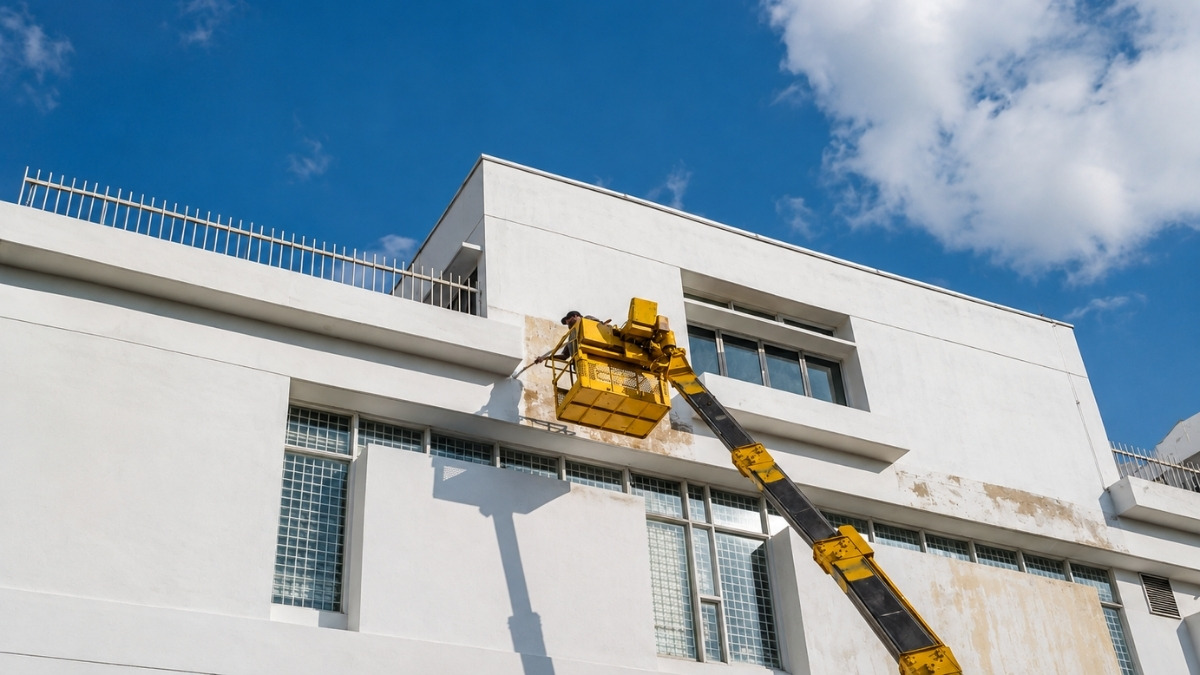
Unlike a typical house, a commercial building may have larger elevations, multiple substrates, active entrances, tenant operations, loading areas, rooftop edges, and equipment that affect how exterior commercial painting can be completed safely and efficiently.
Quick Facts
- Contractors inspect coating failure, moisture, cracks, corrosion, and surface contamination before specifying prep.
- Access planning matters because commercial buildings may require lifts, scaffolds, controlled work zones, or roof-edge protection.
- Surface preparation should match the substrate and coating condition, not follow a one-size-fits-all process.
- Scheduling should account for tenants, customers, deliveries, weather, drying conditions, and safe pedestrian routes.
- A durable repaint depends on compatible coatings, proper prep, and correcting underlying defects before finish coats go on.
What Contractors Check Before Repainting
1. Existing Coating Condition
The first question is whether the current coating is still sound enough to support a new system. Contractors look for peeling, blistering, chalking, fading, cracking, rust, exposed substrate, and failed sealants.
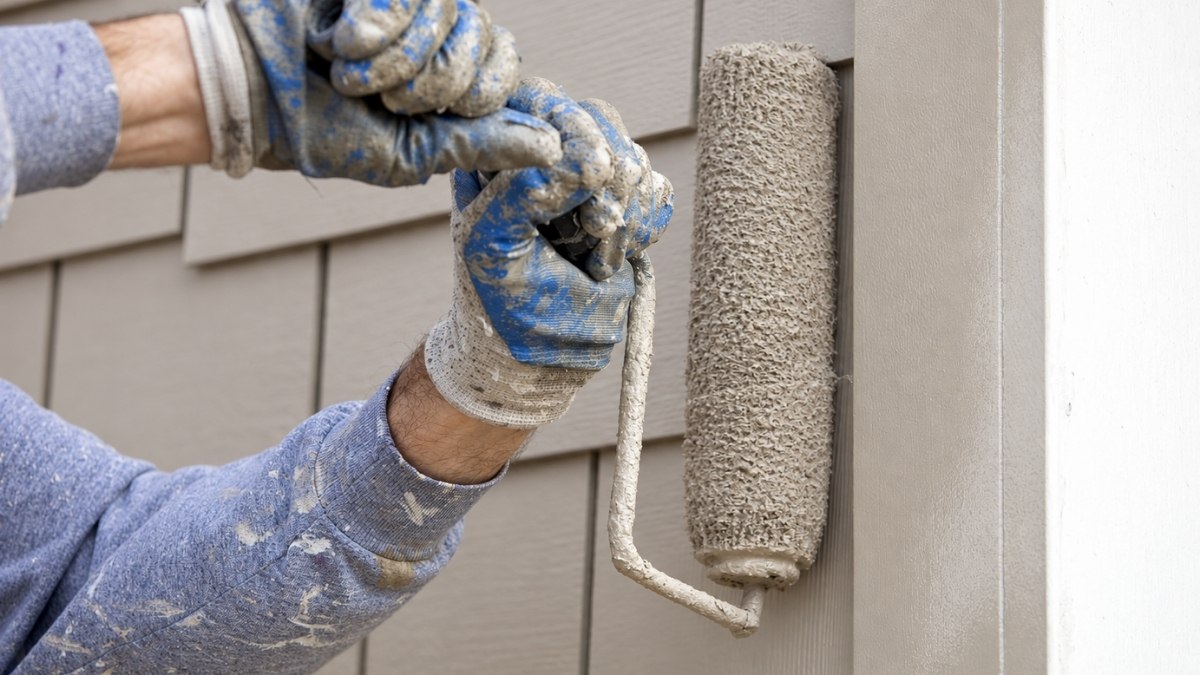
They also identify what is being painted. Commercial building exterior painting can involve masonry, concrete, stucco, wood, metal doors, steel railings, trim, siding, and previously coated surfaces. Each substrate can require different cleaning, repair, primer, and coating steps.
AMPP, an industry standards organization for protective coatings, states that its surface-preparation standards are designed to improve coating and lining performance by addressing cleanliness, contaminants, and surface profile.
2. Moisture and Building-Envelope Problems
Painting over active moisture problems can hide symptoms without solving the cause. Contractors may inspect staining, open joints, cracked masonry, deteriorated caulk, failed flashing areas, or recurring dampness.
The goal is to determine whether the project only needs coating maintenance or whether repairs should happen first. A sound substrate gives the new finish a better chance to perform as intended.
3. Cleaning and Surface Preparation Needs
Preparation may include washing, scraping, sanding, spot priming, rust removal, patching, sealant replacement, or more specialized methods depending on the material and coating system.
AMPP guidance addresses surface cleanliness, nonvisible contaminants, and surface profile when preparing metal and concrete surfaces. For owners, the practical takeaway is simple: prep should be specified after inspection, not treated as a generic line item.
How Commercial Exterior Painting Contractors Plan the Work
Step 1: Map Access and Work Zones
Crews determine where ladders, aerial lifts, scaffolds, or other access systems can be positioned without blocking critical entrances, fire routes, deliveries, or pedestrian traffic.
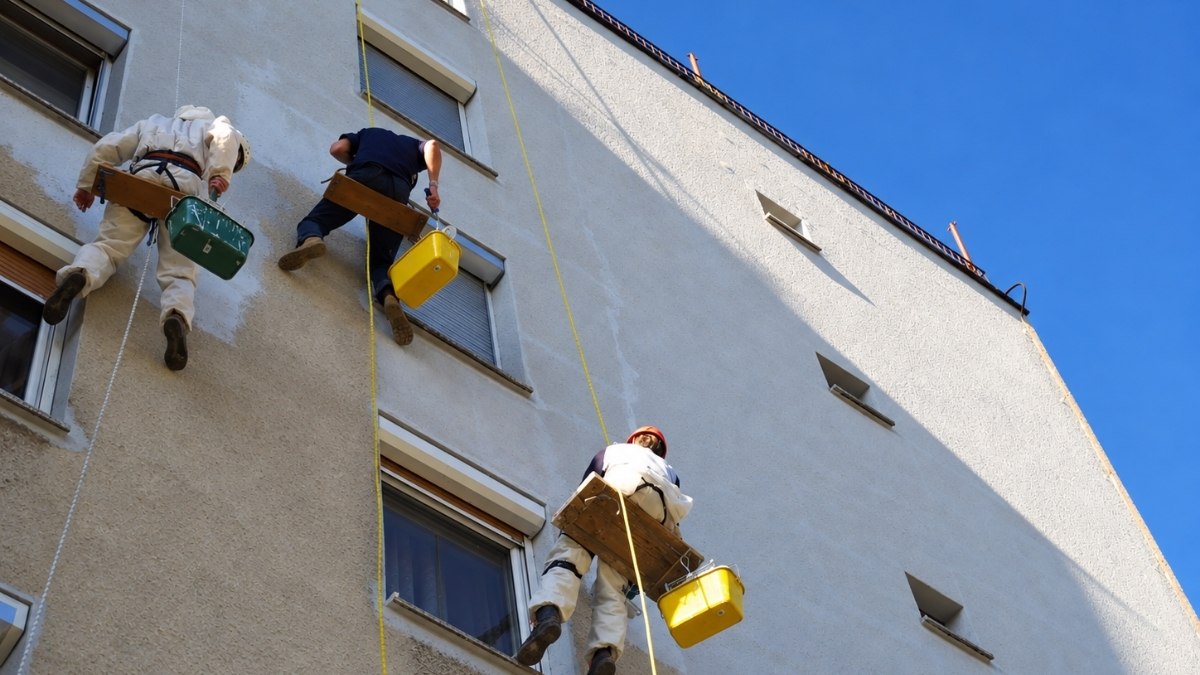
Height changes the safety plan. OSHA generally requires fall protection at six feet in construction work, while employees working on scaffolds more than 10 feet above a lower level must receive scaffold-specific fall protection.
Step 2: Sequence the Building Around Operations
Commercial painting often has to work around business hours, tenant access, customer traffic, parking, loading docks, and neighboring properties. Contractors may divide the building into elevations or zones so preparation and painting can progress without unnecessarily disrupting operations.
Step 3: Match Coatings to Exposure and Substrate
A coating system should fit the existing substrate, previous coating, exposure, and service conditions. Metal components may need corrosion-control preparation and primers, while masonry or concrete may require different products and moisture considerations.
This is one reason a property owner comparing a commercial painting contractor near me should ask what the contractor found during inspection, not only what brand of paint they plan to use.
Safety and Lead-Paint Considerations
Older commercial properties can require additional review. The EPA Renovation, Repair, and Painting Rule applies to qualifying pre-1978 child-occupied facilities and certain adjacent exterior areas. When the rule applies, covered work must follow certification and lead-safe work-practice requirements.
For other commercial properties, owners should still expect contractors to identify site-specific hazards, isolate work areas where needed, protect pedestrians and occupants, and plan equipment access before production begins.
Curb Appeal Is Also a Maintenance Issue
Fresh color improves presentation, but exterior commercial painting also helps owners see the building as a maintenance system. Peeling coatings, open joints, corrosion, and damaged surfaces can signal issues that deserve attention before they become larger repair problems.
For Fairfield properties, a repaint plan should balance appearance with substrate protection, operational needs, and long-term maintainability.
Frequently Asked Questions
How often should a commercial building exterior be repainted in Fairfield, CT?
Most commercial exteriors in Fairfield need repainting every 5 to 10 years, depending on exposure to coastal weather, sun, winter moisture, coating type, and substrate material. Regular inspections help identify wear before major repairs are needed.
Do commercial exterior painting contractors in Fairfield, CT, provide color samples before painting?
Yes, professional commercial contractors typically provide test drawdowns, color swatches, or physical mockups on the building to ensure the chosen colors look correct under local lighting conditions and meet branding requirements.
What records should Fairfield property owners keep after a commercial repaint?
Owners should retain product data sheets, paint formulas and color codes, surface preparation documentation, warranty details, and contractor contact information for easy future maintenance and touch-ups.
Can commercial exterior painting be coordinated with signage or facade updates?
Yes, sequencing painting alongside signage installation, window replacement, or facade repairs helps prevent scheduling conflicts and ensures seamless site access and preparation.
Can an existing commercial building color be matched for partial repainting?
Yes, contractors can perform precise spectrophotometer color matching or manually match existing coatings to touch up or repaint specific elevations seamlessly.
Discuss Your Commercial Exterior Painting Project
Fairfield Painting Contractors can assess exterior surfaces, preparation needs, access conditions, and maintenance priorities for properties in Fairfield, CT. Get a free estimate to discuss a practical repainting plan for your building.