
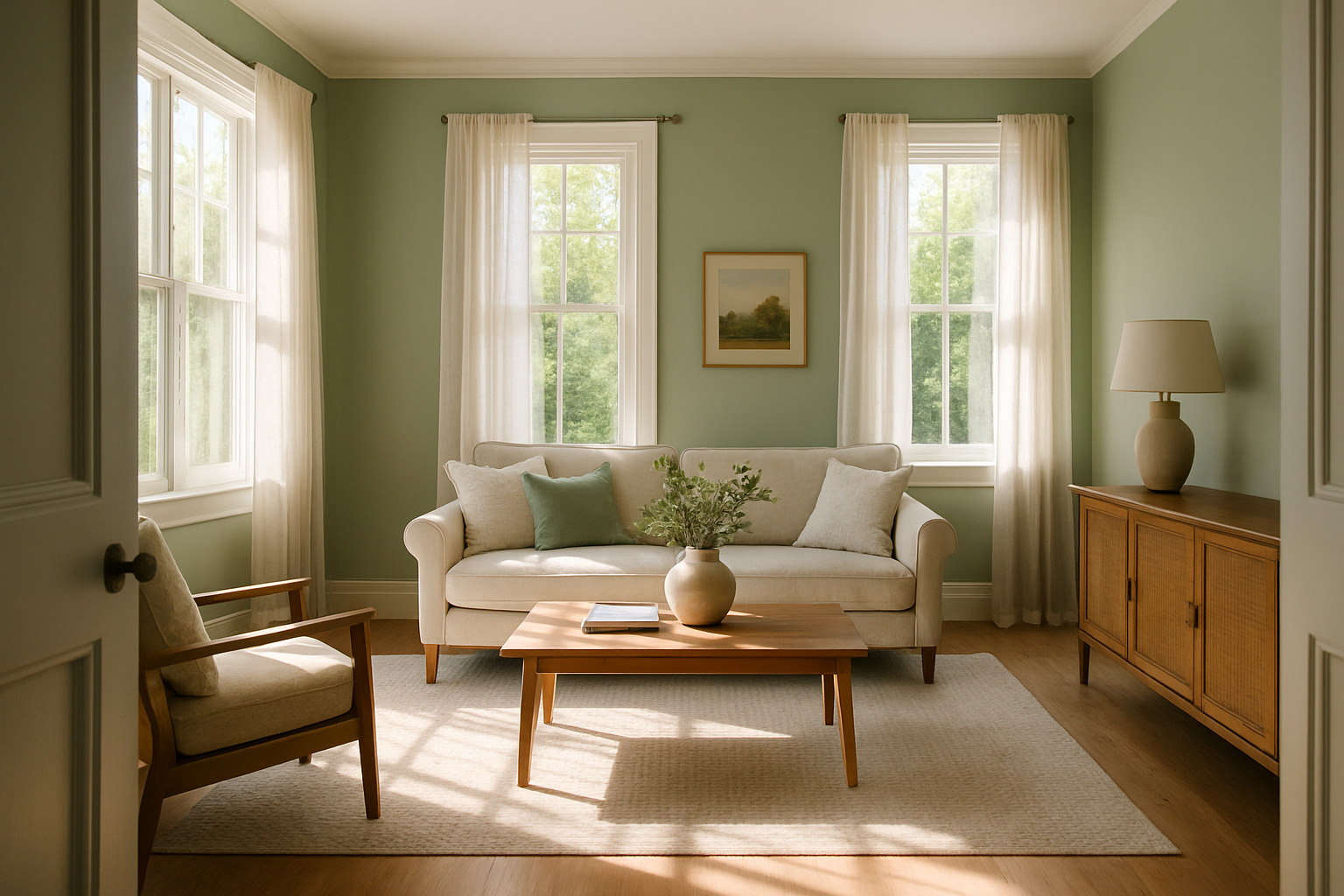
Paint colors that affect mood are not just a design trend. They are backed by decades of psychological research and increasingly validated by consumer behavior studies. The color on your walls genuinely shapes how you feel, how alert you are, and even how long you want to stay in a room.
Table of Contents
- Why Paint Colors That Affect Mood Matter in the Home
- What Recent Research Tells Us About Paint Colors That Affect Mood
- Breaking Down Colors by Emotional Effect
- Room-by-Room Color Strategy
- Things to Know
- Start Painting with Purpose
Key Takeaways
- Color psychology is supported by peer-reviewed research, though individual responses vary by culture, lighting, and personal history.
- Blue is widely recognized as the most calming interior color; red is energizing but should be used selectively.
- Dark wall colors appeal to more homeowners than many assume — 74% of Americans would consider them, per Behr research (2024).
- Room function should guide your color choice: calm colors for bedrooms, energizing ones for kitchens or home offices.
- Trendy colors can also support resale value when chosen strategically.
- A professional painter can help you test colors in actual lighting conditions before committing to a full room.
Why Paint Colors That Affect Mood Matter in the Home
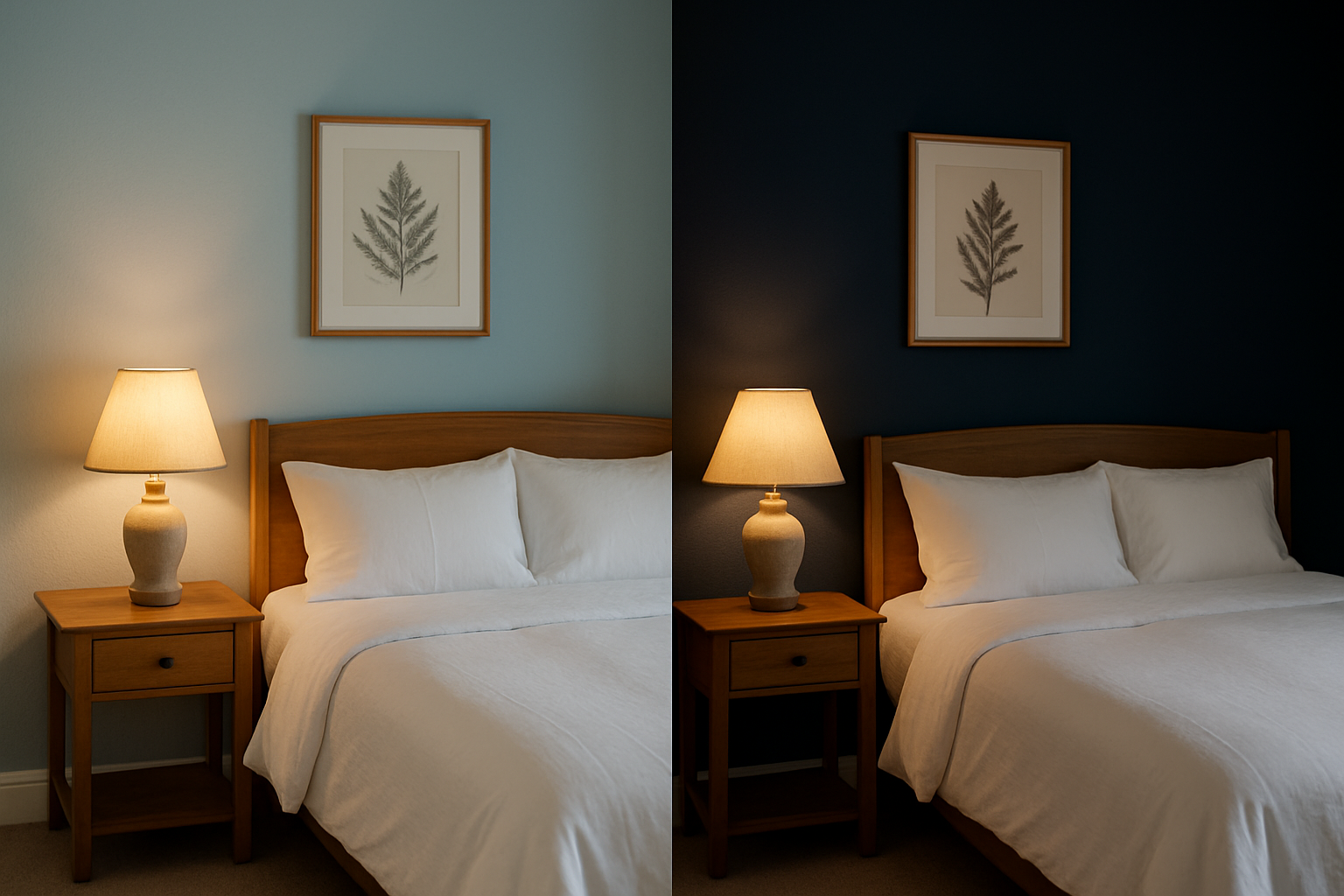
Walk into a pale blue bedroom and notice how your shoulders drop. Step into a bold red dining room and feel your pulse tick up slightly. These responses are not coincidental.
Color influences the human nervous system through light wavelengths. These wavelengths trigger different neural and emotional responses. Furthermore, the relationship between color and mood is measurable and consistent.
According to a systematic review by Jonauskaitė and Mohr (2025), 132 peer-reviewed articles were published between 1895 and 2022. These articles covered 42,266 participants across 64 countries. The research found that all basic color categories have systematic relationships with emotional valence, arousal, and perceived power. That represents a substantial body of evidence.
The US house painting and decorating industry brought in an estimated $28.2 billion in 2025, according to Sensibledigs.com. A significant portion of that spending comes from homeowners. They want their spaces to feel a specific way, not just look a specific way. Many are exploring interior paint color trends 2026.
What Recent Research Tells Us About Paint Colors That Affect Mood
The science is nuanced. A 2024 study published in Psi Chi’s Journal examined how color and lighting temperatures work together. The researchers found that paint colors that affect mood depend on multiple factors. Color and lighting shape emotional outcomes. However, it is rarely color alone that drives emotional responses. Lighting temperature, room size, and ceiling height all interact with paint color. Together, these elements shape perception.
Consumer surveys add another layer of insight. According to Behr research (2024), 74% of Americans would consider painting a room a dark color. Additionally, 50% say darker walls specifically create a sense of comfort. That data runs counter to the old advice that dark rooms feel oppressive. For many people, deep navy, charcoal, or forest green walls feel cozy and grounding. They do not feel claustrophobic.
When it comes to bold choices, the numbers around red are striking. About 75% of Americans say they would consider painting a room or wall a shade of red. Moreover, 86% agree that red front doors make a home stand out. Furthermore, 60% report they feel energized by red in home design, per Behr’s research.
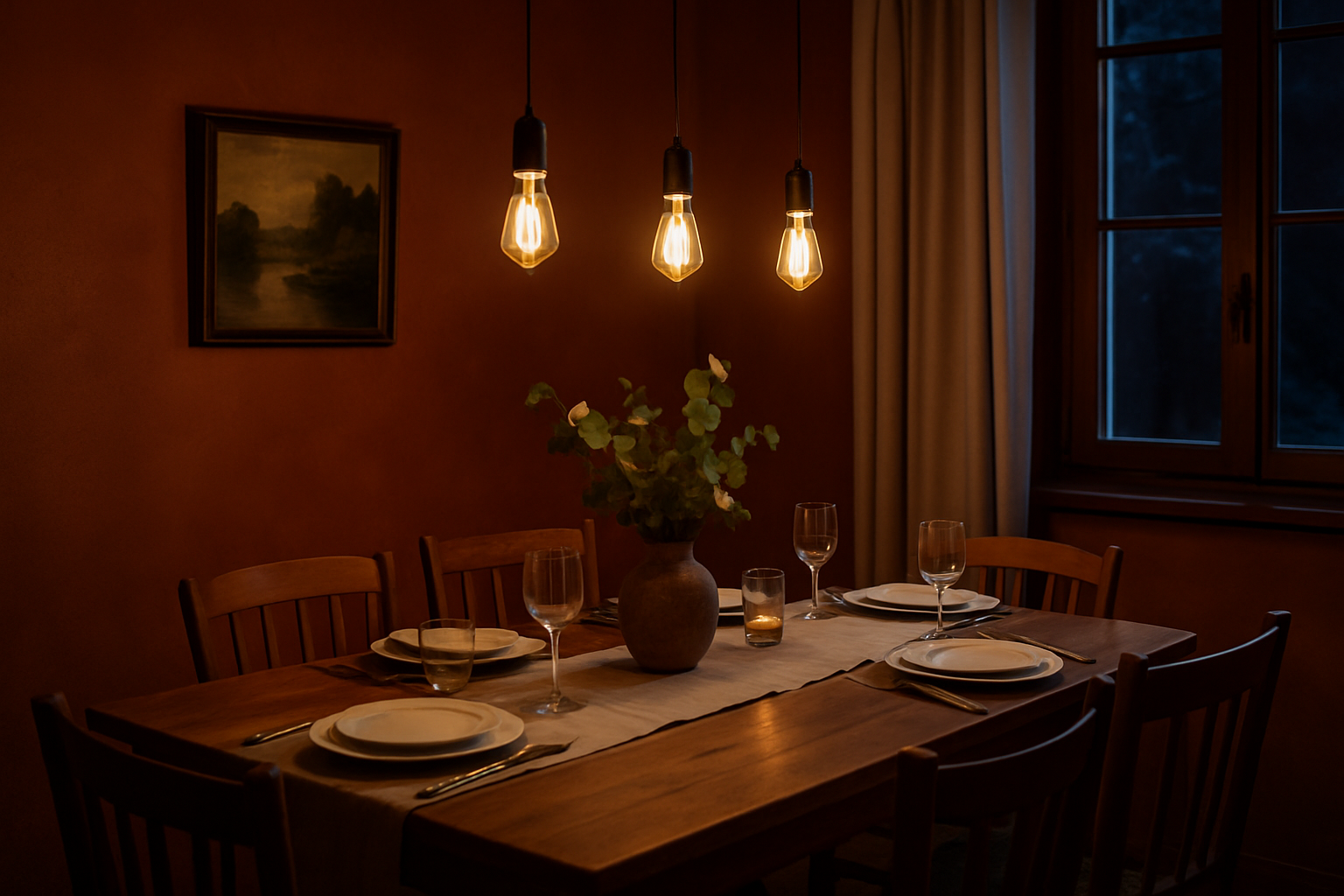
Red is the most emotionally charged color in the spectrum. It accelerates perceived time and stimulates appetite. As a result, it shows up so often in dining spaces. Understanding how paint colors that affect mood work helps homeowners make confident choices.
Breaking Down Colors by Emotional Effect
Here is a quick breakdown of how the most common interior colors perform emotionally:
| Color | Primary Mood Effect | Best Rooms |
|---|---|---|
| Blue | Calm, focused, trust | Bedroom, home office, bathroom |
| Green | Balance, restoration, nature | Living room, bedroom, sunroom |
| Yellow | Optimism, energy (light shades) | Kitchen, entryway, breakfast nook |
| Red | Energy, appetite, boldness | Dining room, accent walls |
| Gray/Charcoal | Sophistication, grounding | Bedroom, study, living room |
| White/Off-white | Clarity, spaciousness | Any room, especially small ones |
| Dark Navy | Comfort, depth, elegance | Bedroom, library, powder room |
According to an AtomRadar Survey (2024), consumers find blue the most calming interior color. In contrast, red is considered exciting but the least “friendly.” Choosing the right shade supports the paint colors for home resale value that homeowners seek. That trade-off is worth understanding before committing to a bold accent wall.
Room-by-Room Color Strategy
Choosing paint colors that affect mood becomes more practical when you anchor each decision to how the room is used.
Bedrooms benefit from cool, muted tones. Blue, lavender, and warm greige are well-supported choices for promoting relaxation. Therefore, avoid saturated reds or bright oranges in spaces intended for rest.
Kitchens respond well to warm whites, soft yellows, and sage greens. These colors feel clean, fresh, and welcoming without overstimulating. In addition, if you are also updating your cabinets, understanding the kitchen cabinet painting cost alongside wall color decisions helps you plan a cohesive budget.
Home offices often perform best with soft blues or greens that promote focus without being sterile. Avoid all-white if concentration is the goal. It can increase distraction rather than reduce it.
Dining rooms are one area where red genuinely earns its place. Its appetite-stimulating association and energy-boosting effect align with the social, celebratory nature of dining.
Entryways set emotional tone immediately. A warm, welcoming color here — deep terracotta, warm cream, or even a bold accent — signals the mood of the entire home. Anyone who walks in picks up on this cue.
One often-overlooked factor: ceiling color. A flat, matte ceiling in a slightly lighter shade of the wall color can make a room feel taller and more cohesive. Furthermore, if your ceilings have texture concerns, it is worth getting popcorn ceiling asbestos testing before any painting work begins in older homes.
Things to Know
- Color perception shifts with lighting. A paint chip in a store looks different from the same color under your home’s natural or artificial light. Therefore, always test samples on your actual walls first.
- Saturation matters as much as hue. A muted, earthy red feels very different from a fire-engine red. Both are technically “red,” but they create different moods.
- Finish affects mood too. Matte finishes absorb light and feel more intimate. In contrast, glossy finishes reflect light and feel more energetic and spacious.
- Dark colors are not universally oppressive. As the Behr (2024) data shows, 50% of Americans associate dark walls with comfort rather than heaviness.
- Cultural context shapes color meaning. Blue may feel calm to most Americans. However, associations vary across backgrounds. Personal preference should always factor in.
Start Painting with Purpose
Choosing paint colors that affect mood the way you want takes more than picking a swatch you like at the store. Test your top choices on a large patch of wall. Observe them at different times of day. Consider how your lighting and furnishings interact with each tone. Then commit.
At Fairfield Painting Contractors, we work with homeowners across Fairfield, CT and the surrounding coastline. We help translate color intentions into results. Our full-time, year-round crew handles everything from bedroom refreshes to full interior transformations. We use no subcontracted labor and no guesswork.
Request your free estimate today and tell us what you want each room to feel like. We will help you get there.
Frequently Asked Questions
Q: Which paint color is best for reducing stress in a bedroom?
Soft blue and muted lavender are the most consistently recommended colors for stress reduction in sleeping spaces. Both hues are associated with lower arousal and a calm emotional state according to multiple peer-reviewed studies. Warm greige and sage green are solid alternatives if blue does not fit your existing decor.
Q: Can dark paint colors make a room feel smaller?
Dark colors can make a room feel more intimate. However, they do not always make it feel smaller in a negative way. According to Behr research (2024), 50% of Americans say darker walls create comfort. Scale matters — a small room with high ceilings handles dark paint surprisingly well.
Q: Does paint color affect productivity in a home office?
Yes, color influences cognitive performance. Cooler tones like blue and green generally support focus. A 2024 study in Psi Chi’s Journal confirmed that color and lighting together affect cognitive performance and heart rate. Overly stimulating colors like bright red or orange may increase distraction in work settings.
Q: How many coats of paint are typically needed when changing wall colors dramatically?
Two coats are standard for most color changes. However, very dark or very saturated colors covering light walls may require three. A professional painter can assess your current wall color and recommend the right primer. This reduces the number of finish coats needed and ensures color accuracy.
Q: Should I paint my ceiling the same color as my walls?
Matching the ceiling to the walls can create a cocooning effect that works well in bedrooms and moody spaces. Using a slightly lighter version of the wall color on the ceiling achieves a cohesive look. This keeps the room from feeling too heavy. Always test both together in your specific lighting before deciding.
The Bottom Line on Paint Colors That Affect Mood
The relationship between color and emotion is real, research-supported, and practically useful when you are planning a room. Paint colors that affect mood do not need to be dramatic to be effective. Even a shift from cool white to warm cream changes how a space feels to live in.
Start with how you want each room to feel. Match that intention to the color psychology. Test before you commit. For homeowners in Fairfield, CT and nearby communities, Fairfield Painting Contractors is ready to bring that vision to life. We provide professional, consistent results from a crew you can trust.