- Free Estimates

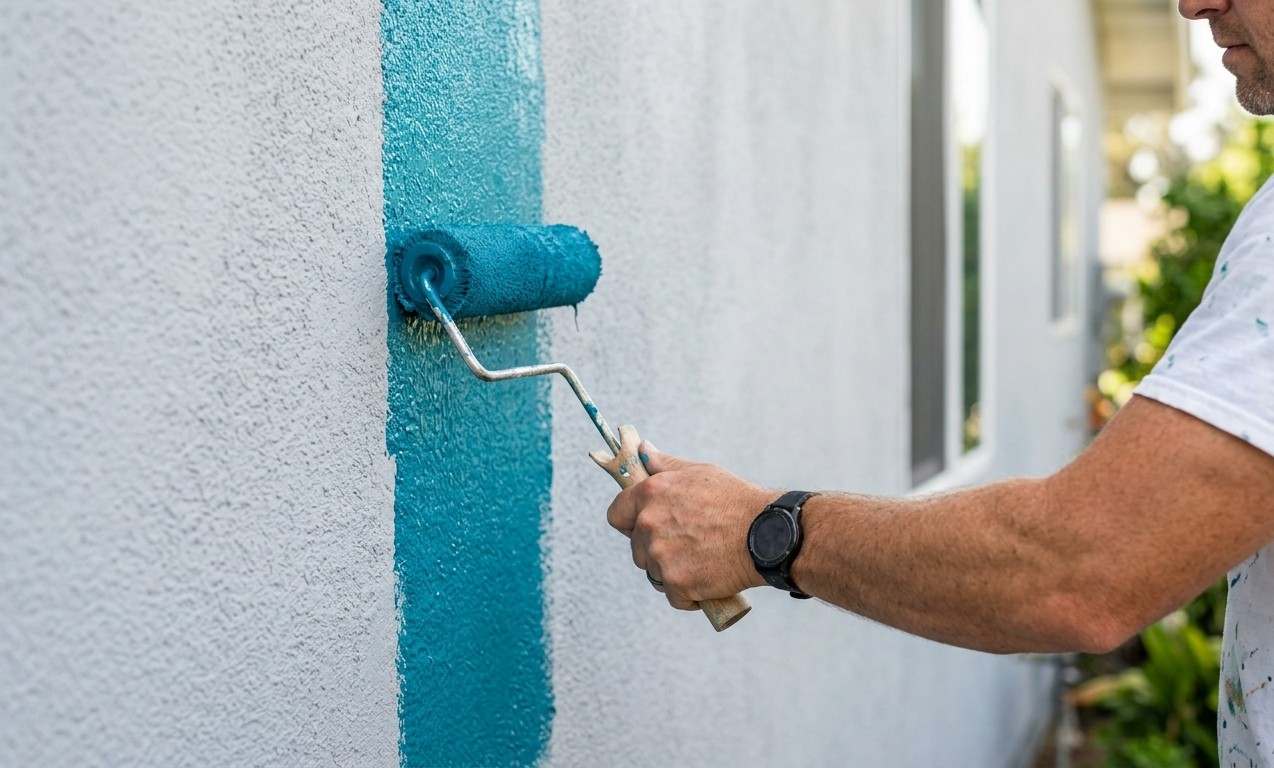
✔ DIY painting can save money upfront but requires significant time and preparation.
✔ Professional painters typically complete projects faster and deliver more consistent results.
✔ Surface preparation accounts for a large portion of paint durability and appearance.
✔ Professional paint jobs often last 7 to 10 years, compared with 3 to 5 years for many DIY projects.
✔ Large projects, exterior painting, and homes needing repairs usually benefit from professional expertise.
Fresh paint is one of the most effective ways to improve a home’s appearance, protect surfaces, and increase resale appeal. Yet homeowners regularly face the same question before starting a project: Should you paint the house yourself or hire a professional painter?
The answer depends on more than just cost. Time investment, preparation requirements, safety, and long-term durability all influence the outcome. While DIY painting may reduce upfront expenses, professional painting often delivers a more consistent finish and longer-lasting results.
Understanding the real costs, the labor involved, and the differences in quality helps homeowners make the right choice for their property. For many Fairfield homeowners, the decision comes down to balancing budget, time, and the level of finish they want for their home.
Professional painting costs vary based on home size, surface condition, and the quality of materials used. National averages show that professional interior painting typically costs between $2 and $6 per square foot, according to cost data summarized by construction industry reports.
In Connecticut, interior painting often falls between about $2.78 and $4.81 per square foot, depending on preparation work and paint quality. For a full interior repaint, homeowners may spend $6,000 to $10,000 or more, depending on the size of the home and the complexity of the project.
Professional painting estimates usually include several important components that homeowners often overlook when budgeting:
Surface preparation alone can represent the majority of the work involved in painting. According to building industry studies, preparation can account for up to 80 percent of the final paint quality, which explains why experienced crews often produce more durable results.
DIY painting appears less expensive at first glance, but the full cost includes more than just paint.
Quality interior paint typically costs $30 to $70 per gallon, depending on the brand and finish. A single room may require several gallons once primer and additional coats are considered.
Basic supplies also add to the project cost. Homeowners often need:
These materials can easily total $50 to $200 or more. Larger projects may require equipment such as ladders or paint sprayers, which add additional rental costs.
Most homeowners spend $200 to $600 in materials to paint a single room, depending on the size of the space and the paint quality used.
The highest hidden cost is time.
Painting projects frequently require multiple days of work, especially when homeowners need to prep surfaces, allow coats to dry, and fix mistakes.
The biggest differences between DIY painting and hiring professionals come down to time, quality, and durability.
Factor | DIY Painting | Professional Painting |
|---|---|---|
| Cost upfront | Lower | Higher |
| Time required | 45 to 90 hours | Usually 2 to 5 days |
| Quality | Varies by skill level | Consistent professional finish |
| Durability | Often 3 to 5 years | Typically 7 to 10 years |
| Warranty | None | Often included |
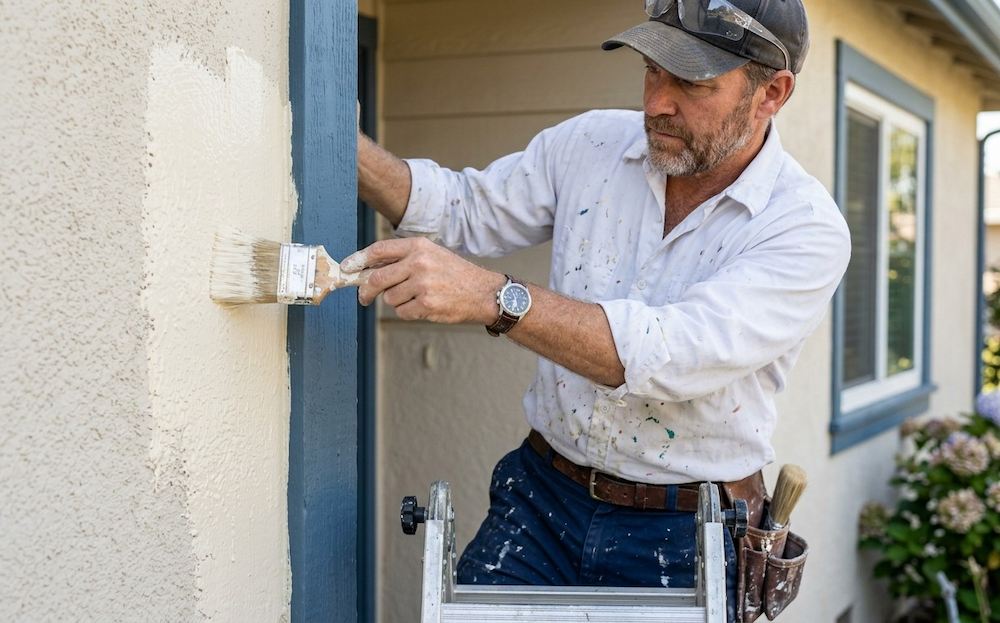
Professional painters typically complete an interior painting project in two to five days, depending on the size of the home and the scope of work. A DIY project may take several weekends or longer if homeowners are balancing the work with other responsibilities.
Durability also differs significantly. Industry comparisons show that many DIY paint jobs last about three to five years, while professionally applied paint can last seven to ten years with proper surface preparation and quality materials.
The difference often comes down to preparation techniques, application tools, and experience handling difficult surfaces.
Choosing the right approach requires evaluating the project realistically. Before deciding between DIY and professional painting, homeowners should ask several important questions.
Small projects like accent walls or a single bedroom are manageable for many homeowners. Larger projects, such as full interiors or exterior repainting, usually require professional crews.
A typical DIY painting project can require 45 to 90 hours of work, including preparation and cleanup.
Walls with cracks, peeling paint, or water damage require repair before painting begins.
Professional results often require extension poles, ladders, specialty rollers, and sprayers.
Homeowners planning to stay in their homes for years often prefer the durability and finish quality that professional painting provides.
Whether painting yourself or hiring professionals, proper planning improves the outcome.
Check walls or exterior siding for peeling paint, cracks, moisture damage, or mold. These issues must be addressed before painting begins.
Accurate measurements help determine the amount of paint required and the expected project cost.
Latex paint is commonly used for interiors because it dries quickly and cleans easily. Oil-based paints provide durability for trim and high-wear surfaces. Finish options such as flat, satin, and semi-gloss affect both appearance and maintenance.
Cleaning, sanding, and priming ensure that paint adheres correctly and produces an even finish.
If the project requires extensive repairs, high ceilings, or exterior ladder work, hiring professionals may be the safer and more effective choice.
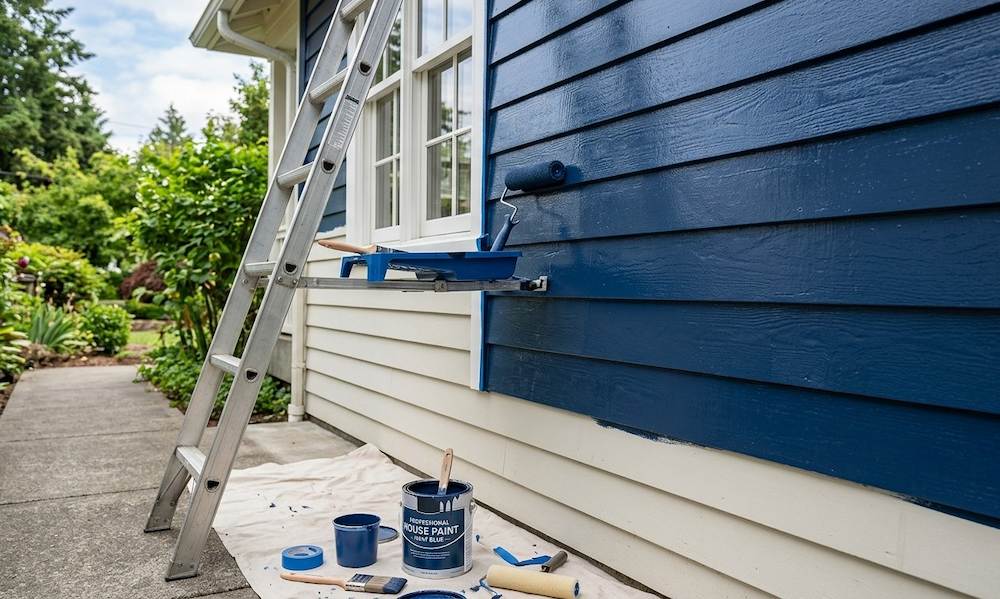
DIY painting can be a practical option when the project is small and the surfaces are already in good condition. Many homeowners choose DIY projects to save money and work at their own pace.
DIY painting may make sense when:
Main advantage:
Professional painting becomes the better option when projects are larger, more complex, or require specialized preparation.
Hiring professional painters is often the smarter choice when:
Main advantage:
DIY painting can be worth it for small projects like bedrooms or accent walls. However, large projects often require more time, tools, and preparation than most homeowners expect. Professional painters typically provide more consistent finishes and longer-lasting results.
Yes. Proper preparation is a major part of professional painting. This usually includes cleaning, sanding, repairing cracks, priming surfaces, and protecting surrounding areas before paint is applied.
High-quality latex paints with satin or semi-gloss finishes typically last longer on interior walls because they resist stains and are easier to clean.
A standard gallon of paint typically covers 350 to 400 square feet, according to the U.S. Environmental Protection Agency. Most rooms require two coats, so homeowners should plan accordingly.
Yes. Fresh interior or exterior paint can improve curb appeal and buyer perception. According to housing market research published by Zillow, homes with updated paint colors often attract stronger buyer interest and can sell faster.
DIY painting can work well for small projects and experienced homeowners. But for larger jobs, complex surfaces, or homeowners who want long-lasting results, professional painting often provides better value.
Experienced painters understand how to prepare surfaces correctly, choose durable materials, and apply paint evenly so that the finish holds up for years.
For homeowners in Fairfield planning a painting project, working with a trusted local company like Fairfield Painting Contractors can simplify the process and ensure a high-quality finish that enhances both the beauty and protection of your home.